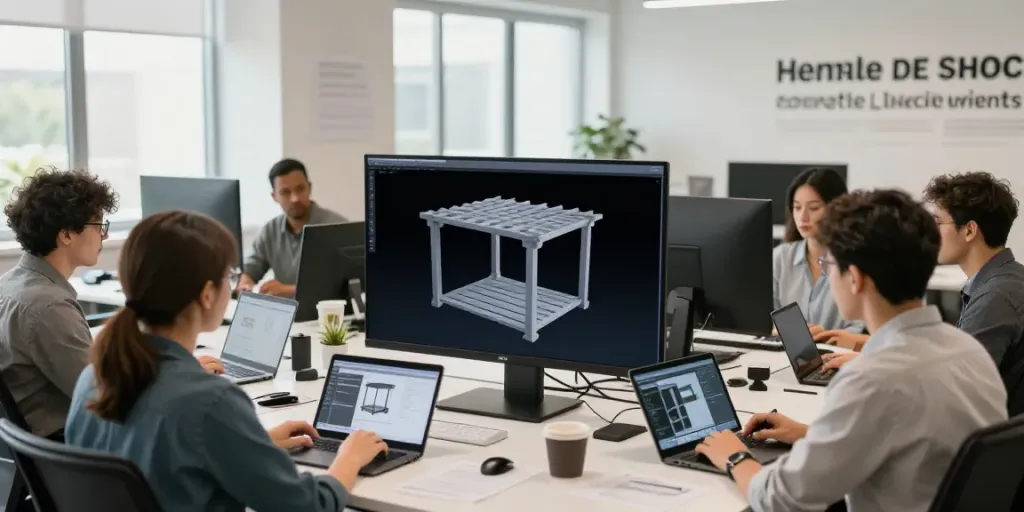
Understanding 3D Product Visualization Software
In the rapidly evolving landscape of modern business, 3D product visualization software has emerged as a transformative tool. This technology enables companies to create realistic digital representations of their products, allowing customers to interact with items as if they were physically present. By enhancing the shopping experience, businesses can significantly improve customer engagement, reduce return rates, and ultimately drive sales. In this comprehensive guide, we will explore the essence of this software, its key features, the myriad of applications across different industries, and how your business can leverage it to achieve greater success.
What is 3D Product Visualization Software?
3D product visualization software refers to a digital platform that generates three-dimensional representations of physical objects. These tools provide a virtual environment where customers can examine, manipulate, and interact with products before making a purchase decision. Features often include photorealistic rendering, real-time interactivity, and integration with augmented reality (AR) and virtual reality (VR) platforms. This innovation serves to bridge the gap between online shopping and in-store experiences, offering a visual depth that traditional photography simply cannot achieve.
Key Features and Benefits of 3D Modeling
- Realistic Visualizations: Allows users to see products from multiple angles and perspectives, enhancing their understanding of the item.
- Interactive Experiences: Customers can zoom in and out, rotate objects, and even view the product in different colors or finishes, making the shopping experience engaging.
- Reduced Return Rates: By providing a clearer understanding of the product, customers are less likely to be dissatisfied upon delivery, thus decreasing return rates.
- Enhanced Marketing Materials: Companies can use 3D models in promotional videos, presentations, and advertisements, showcasing their products more effectively.
- Streamlined Customization: Customers can visualize modifications in real time, helping them make informed decisions tailored to their unique preferences.
Applications Across Industries
The versatility of 3D product visualization software is evident across various sectors. From retail to architecture, the applications are expansive:
- Retail and E-commerce: Businesses use this software to create interactive product pages, allowing customers to explore items in detail before making purchases.
- Automotive: Car manufacturers and dealers utilize 3D visualization to showcase vehicles, enabling potential buyers to customize features such as colors, wheels, and interiors before visiting a dealership.
- Real Estate: Virtual tours and 3D floor plans assist potential buyers in visualizing properties, making it easier to make decisions.
- Manufacturing: Companies employ 3D models for prototyping and design evaluation, facilitating better collaboration and reducing time to market.
- Fashion: Retailers offer virtual fitting rooms allowing customers to try on clothing digitally, which can enhance the shopping experience.
Choosing the Right 3D Product Visualization Software
With numerous options available, selecting the right 3D product visualization software can be overwhelming. Here are some vital factors to consider:
Factors to Consider for Your Business Needs
When evaluating software solutions, consider the following:
- Usability: Choose a platform that is user-friendly for both your team and your customers, ensuring a seamless experience.
- Integration: Look for software that can easily integrate with your existing systems, such as e-commerce platforms and CRM tools.
- Customization Options: Opt for solutions that allow extensive customization to align with your branding and product offerings.
- Cost: Analyze pricing models, including upfront costs and subscription fees, to find an option that fits within your budget.
- Support and Training: Ensure the vendor provides comprehensive support services, including training for your team on utilizing the software effectively.
Comparing Options: Features and Pricing
When comparing different 3D product visualization software solutions, examine their features closely. Key functionalities to look for include:
- Photorealistic rendering capabilities
- Interactive configurators
- Multi-platform compatibility (desktop, mobile, AR, VR)
- Analytics tools for tracking user engagement
- Collaboration features for team input during product design
Additionally, consider the pricing structure. Some solutions may offer a one-time purchase option, while others operate on a subscription basis. Calculate the total cost of ownership over time to determine the most cost-effective choice.
Top Solutions for 2026
As of 2026, several software solutions stand out in the market for 3D product visualization:
- Sales Visualizer: Known for its user-friendly interface and powerful configurator capabilities, ideal for businesses looking to enhance customer engagement.
- Autodesk 3ds Max: A robust choice for professionals needing advanced modeling and rendering features.
- SketchUp: Offers simplicity and versatility, catering to both novices and experienced designers.
- Blender: An open-source software with extensive features suitable for 3D modeling, animation, and rendering.
- Unity: Great for businesses seeking to integrate AR/VR experiences into their product visualization.
Implementing 3D Product Visualization Software
Successfully integrating 3D product visualization software into your operations requires careful planning and execution. Here’s a step-by-step guide:
Step-by-Step Guide to Integration
- Define Objectives: Clearly outline your goals for using the software, such as enhancing customer engagement or reducing returns.
- Choose the Right Software: Based on the factors discussed, select the software that best meets your business needs.
- Training: Train your team on how to use the software effectively, focusing on maximizing its features.
- Upload Product Data: Ensure that all product information, including dimensions and materials, are accurately represented in the software.
- Launch: Once everything is set up, launch the software and monitor its performance, gathering feedback for future improvements.
Common Challenges and How to Overcome Them
While integrating new software can bring numerous benefits, challenges may arise. Common issues include:
- Resistance to Change: Encourage your team by highlighting the advantages of the new system and providing adequate training.
- Data Accuracy: Regularly check and update product information to maintain accuracy in the visualizations.
- Technology Limitations: Ensure your infrastructure can support the software by upgrading hardware or internet connectivity if necessary.
Best Practices for Effective Use
To maximize the benefits of your 3D product visualization software, implement these best practices:
- Regular Updates: Keep your software updated to benefit from the latest features and security patches.
- Customer Feedback: Actively solicit customer feedback to improve the visualization experience and make necessary adjustments.
- Utilize Analytics: Use built-in analytics tools to monitor user engagement and track the success of your visualizations.
Enhancing Sales with 3D Product Visualization Software
3D product visualization software can significantly drive sales when implemented effectively. Here's how to harness its potential:
Driving Customer Engagement and Confidence
Creating an engaging and informative shopping experience is vital for converting visitors into customers. This software allows potential buyers to visualize products in detail, fostering confidence in their purchase decisions. Implementing features such as zoom, rotation, and interactive customization can make customers feel more connected to the product.
Integrating Configurators into the Sales Process
Configurators are essential in modern sales processes, particularly for customizable products. By integrating configurators into your 3D visualization software, customers can modify product features directly, creating a personalized experience. This interactive approach not only enhances customer satisfaction but can also lead to higher average order values.
Case Studies: Success Stories
Several businesses have successfully leveraged 3D product visualization software to boost sales. For instance:
- Furniture Retailer: A leading furniture brand implemented a 3D configurator that allowed customers to visualize their custom furniture in a virtual room. This innovation led to a 25% increase in conversions and a significant decrease in returns.
- Automobile Manufacturer: By utilizing 3D visualization, this manufacturer enabled customers to explore various vehicle configurations online. This approach resulted in a 30% increase in user engagement on their site and a marked increase in showroom visits.
Future Trends in 3D Product Visualization for 2026 and Beyond
As technology continues to advance, several trends are expected to shape the future of 3D product visualization:
Emerging Technologies Influencing 3D Visualization
Augmented and virtual reality technologies are becoming more accessible, allowing for immersive product experiences. Businesses that leverage these technologies can deliver more engaging visualizations, enhancing customer engagement and satisfaction.
Predicted Developments in User Experience
Future developments in user experience will focus on making interactions smoother and more intuitive. Expect advancements in AI-driven personalization, which can tailor product visualizations based on individual customer preferences and browsing history.
Long-term Benefits of Adopting Advanced Solutions
Adopting advanced 3D product visualization software can have numerous long-term benefits, such as:
- Improved customer loyalty due to enhanced shopping experiences
- Decreased costs associated with returns and exchanges
- Increased market competitiveness by adopting cutting-edge technology
In conclusion, as businesses navigate the complexities of a digital marketplace, investing in 3D product visualization software can be a game-changer. By understanding its benefits, implementing it effectively, and staying ahead of trends, you can position your company for success in 2026 and beyond.
What is the best software for 3D visualization?
The best software varies according to business needs. Popular options include Sales Visualizer for its configurator capabilities, Autodesk 3ds Max for advanced rendering, and Blender for its extensive features.
What 3D software is best for product design?
Designers often favor tools like SketchUp for its ease of use and Autodesk Fusion 360 for its comprehensive design capabilities.
How does 3D product visualization impact sales?
3D visualization positively impacts sales by enhancing customer engagement, enabling product customization, and significantly reducing return rates through better-informed purchasing decisions.
What are the costs associated with 3D visualization software?
Costs can range widely depending on features and deployment methods. Expect to pay for licenses, maintenance, and training, along with potential hardware upgrades.
What future trends should I watch for in 3D product visualization?
Key trends include increased integration of AR/VR technologies, AI-driven personalization, and the expansion of cross-platform compatibility as part of the evolving user experience.