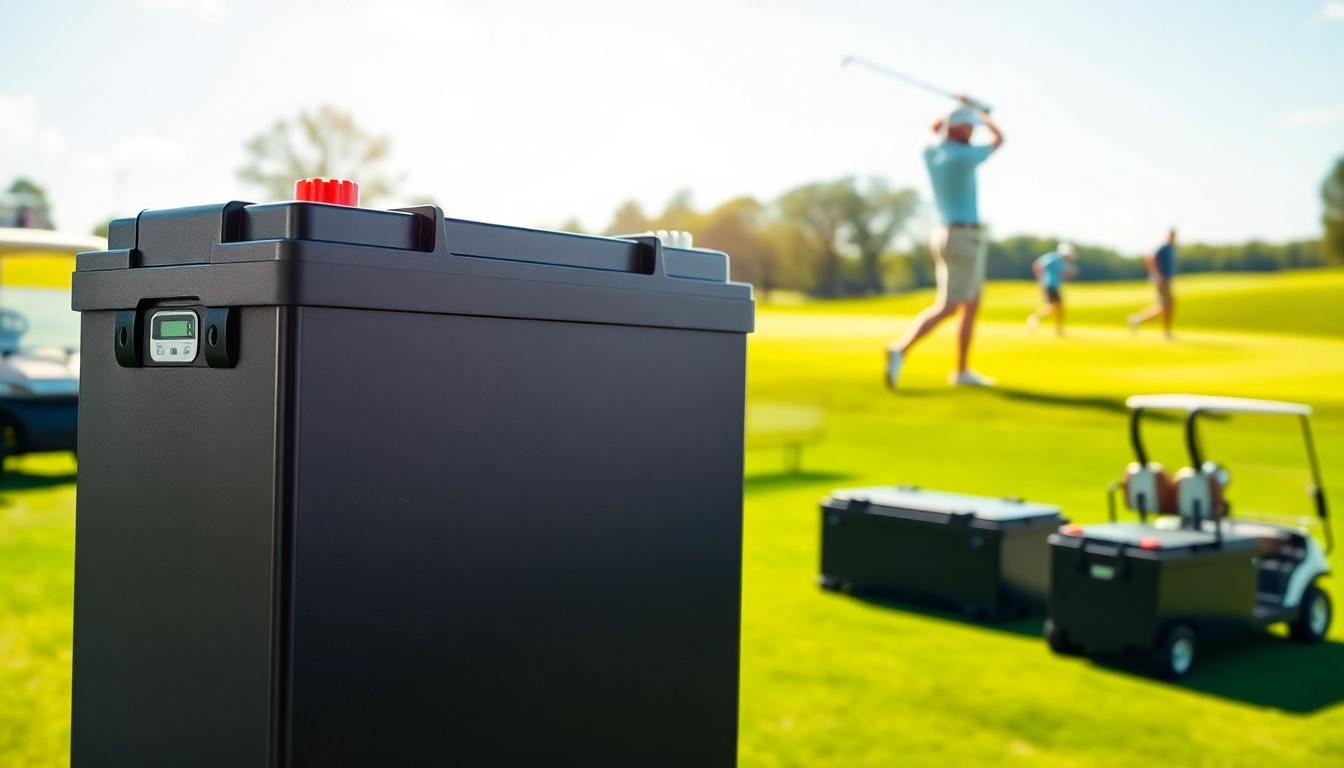
Understanding Lithium Golf Cart Batteries
What Are Lithium Golf Cart Batteries?
Lithium golf cart batteries are advanced battery systems designed to serve as a power source for golf carts, providing significant advantages over traditional lead-acid batteries. These high-performance batteries utilize lithium-ion technology, typically LiFePO4 (Lithium Iron Phosphate), which is known for its safety, stability, and longevity. Unlike conventional batteries, lithium batteries charge faster, have a longer lifespan, and offer greater efficiency and reliability.
Benefits of Lithium Golf Cart Batteries
Choosing lithium golf cart batteries for your golf cart brings numerous benefits:
- Longer Lifespan: Lithium batteries typically last 2,000 to 5,000 cycles, far surpassing the lifespan of lead-acid batteries, which often need replacing every 300-500 cycles.
- Faster Charging: Lithium batteries can be charged in a fraction of the time, often achieving full charge in just a couple of hours compared to the 8-12 hours required for lead-acid options.
- Lightweight: They are significantly lighter, which can enhance the overall weight distribution of your golf cart, improving handling and energy efficiency.
- Higher Efficiency: Lithium batteries retain their voltage better than lead-acid batteries as they discharge, meaning consistent performance even towards the end of the charge.
- Environmentally Friendly: Lithium batteries are less harmful to the environment and recyclable, making them a more sustainable choice.
How Lithium Batteries Compare to Lead-Acid Options
When considering a transition from lead-acid to lithium batteries, it's essential to understand the distinct differences: FeatureLithium Golf Cart BatteriesLead-Acid BatteriesLifespan2000-5000 cycles300-500 cyclesWeightLightweightHeavyCharging Time2-4 hours8-12 hoursPower ConsistencyStable dischargeDrops off towards endEnvironmental ImpactRecyclable, lower emissionsMore harmful waste
Choosing the Right Lithium Golf Cart Battery
Key Factors to Consider When Buying
When selecting the right lithium golf cart battery, consider key factors like capacity, voltage, and weight. Verify whether your cart’s specifications align with the battery capacity; larger capacity batteries typically provide longer driving ranges. Ensure the battery's voltage matches your golf cart's requirements—commonly found in 36V and 48V configurations. Lastly, assess the weight, since a lighter battery can enhance the cart's overall handling.
Battery Size and Compatibility with Your Golf Cart
Always refer to your golf cart manufacturer’s guidelines to ensure compatibility with lithium batteries. Specific battery sizes are designed for different cart brands. Common configurations include:
- 36V Lithium Batteries: Usually suited for smaller, lighter golf carts.
- 48V Lithium Batteries: Designed for larger, more Vatrer Power carts, providing longer distances and higher speeds.
Compatibility extends beyond physical dimensions to connections and terminals, so consider these factors during the purchase.
Price Considerations and Warranty Information
Lithium batteries generally come with a higher upfront cost compared to lead-acid batteries. However, their extended lifespan and reduced maintenance needs can lead to long-term savings. Look for manufacturers that offer robust warranties, typically ranging from 5 to 10 years, providing peace of mind regarding your investment. Always compare the cost of different brands while considering their warranty terms and customer support services.
Installation and Maintenance of Lithium Golf Cart Batteries
Step-by-Step Installation Guide
Installing lithium golf cart batteries involves a straightforward process:
- Gather Tools & Wear Safety Gear: You will need basic tools like wrenches, gloves, and safety goggles.
- Disconnect the Old Battery: Turn off the golf cart, then remove the old battery by disconnecting the terminals, starting with the negative.
- Clean the Battery Compartment: Ensure that the 48V 105Ah Lithium Battery tray is clean and free of corrosion.
- Install the Lithium Battery: Place the new battery in the compartment and connect the terminals, beginning with the positive terminal.
- Secure the Battery: Ensure the battery is firmly in place and use straps if needed.
- Test the Setup: Reconnect the power and check for proper functioning.
Optimal Maintenance Practices
To maintain your lithium golf cart batteries efficiently:
- Regularly Check Voltage: Use a multimeter to ensure battery voltage is within a safe operating range.
- Keep Connections Tight: Inspect terminal connections regularly for signs of corrosion or looseness.
- Avoid Deep Discharge: Keep the battery charged above 20% to prolong its lifespan.
- Store Properly: If not in use, store the battery in a cool, dry place.
Common Issues and Troubleshooting Tips
Some common issues with lithium golf cart batteries and their solutions include:
- Battery Not Charging: Check connections and ensure the charger is compatible.
- Reduced Performance: Verify that the battery isn’t excessively discharged, and it may be time for a replacement.
- Overheating: Ensure adequate ventilation during charging and avoid charging in high temperatures.
Performance and Safety of Lithium Golf Cart Batteries
Understanding Battery Lifecycle and Efficiency
The cycle life of a lithium golf cart battery dramatically influences its overall efficiency and longevity. Lithium batteries maintain a high efficiency throughout their lifecycle, delivering consistent performance with minimal degradation over time. Proper usage and care significantly extend the battery's lifecycle, ultimately enhancing the value derived from your initial investment.
Safety Features of Modern Lithium Batteries
Modern lithium golf cart batteries come equipped with various safety features, such as:
- Battery Management Systems (BMS): This protects against overcharging and overheating.
- Thermal Management: Monitors temperature to prevent thermal runaway, a common risk in battery technology.
- Overcurrent Protection: Safeguards against excessive current draw, reducing the risk of electrical fires.
Environmental Impact Compared to Traditional Batteries
Unlike lead-acid batteries that can leak harmful materials into the environment, lithium batteries have a lower environmental footprint throughout their lifecycle. They are recyclable and contribute to reduced heavy metal contamination. Moreover, using lithium batteries also encourages the adoption of renewable energy, as their efficiency and longevity make them a more sustainable choice.
Frequently Asked Questions about Lithium Golf Cart Batteries
What is the lifespan of a lithium golf cart battery?
Lithium golf cart batteries typically last between 2,000 to 5,000 charge cycles, greatly outperforming traditional lead-acid batteries.
Can lithium golf cart batteries be charged in cold weather?
It’s advisable to avoid charging lithium batteries in temperatures below freezing to prevent damage and inefficiency.
Are lithium batteries worth the investment for golf carts?
Although more expensive upfront, lithium batteries offer long-term savings due to their longevity, reduced maintenance, and efficiency.
How do I know if my battery needs replacement?
If you notice significantly reduced range, slow charging, or inability to hold a charge, it may be time to consider a replacement for your battery.
What should I do if my battery doesn’t hold a charge?
First, check the battery connections and charger. If issues persist, consult a professional as it may need servicing or replacement.