Understanding Bed Bugs: Identification and Behavior
What Are Bed Bugs?
Bed bugs are small, wingless insects that belong to the Cimicidae family. They are typically reddish-brown in color, oval, and have flat bodies that allow them to hide in small crevices. Adult bed bugs are about the size of an apple seed, whereas their eggs are tiny and white. Their primary diet consists of the blood of humans and animals, which they obtain through bites, primarily at night.
Signs of Infestation
Detecting bed bugs can be challenging due to their nocturnal nature. However, several signs can indicate an infestation:
- Visible Bugs: Adult bed bugs, nymphs, or eggs can sometimes be seen on mattresses, bedding, and nearby furniture.
- Bitten Skin: Small, red, itchy welts may appear on the skin after being bitten.
- Blood Stains: Small, dark spots on sheets may indicate that bed bugs have been feeding.
- Fecal Spots: Dark, rust-colored spots on bedding signify bed bug droppings.
- Sweet Odor: A musty odor may emanate from infested areas, caused by bed bug aggregation pheromones.
Life Cycle of Bed Bugs
The life cycle of bed bugs consists of several stages:
- Egg Stage: A female bed bug can lay up to 200 eggs in her lifetime. Eggs are about 1mm long and can hatch within 7 to 10 days.
- Nymph Stage: After hatching, nymphs go through five molts before reaching adulthood. Each stage requires a blood meal.
- Adult Stage: Adult bed bugs can live for several months, or even a year if they have access to blood meals.
The Role of Bed Bug Exterminators
Why Professional Extermination is Crucial
Bed bugs are notoriously difficult to eliminate, making professional extermination critical. DIY methods often fail as they may only treat visible bugs while leaving eggs or hidden bugs alive. Furthermore, ineffective treatments can lead to increased resistance, making future exterminations even more challenging. Engaging bed bug exterminators ensures that all life stages are addressed, utilizing strategically developed methods tailored to eradicate these pests efficiently.
How Bed Bug Exterminators Operate
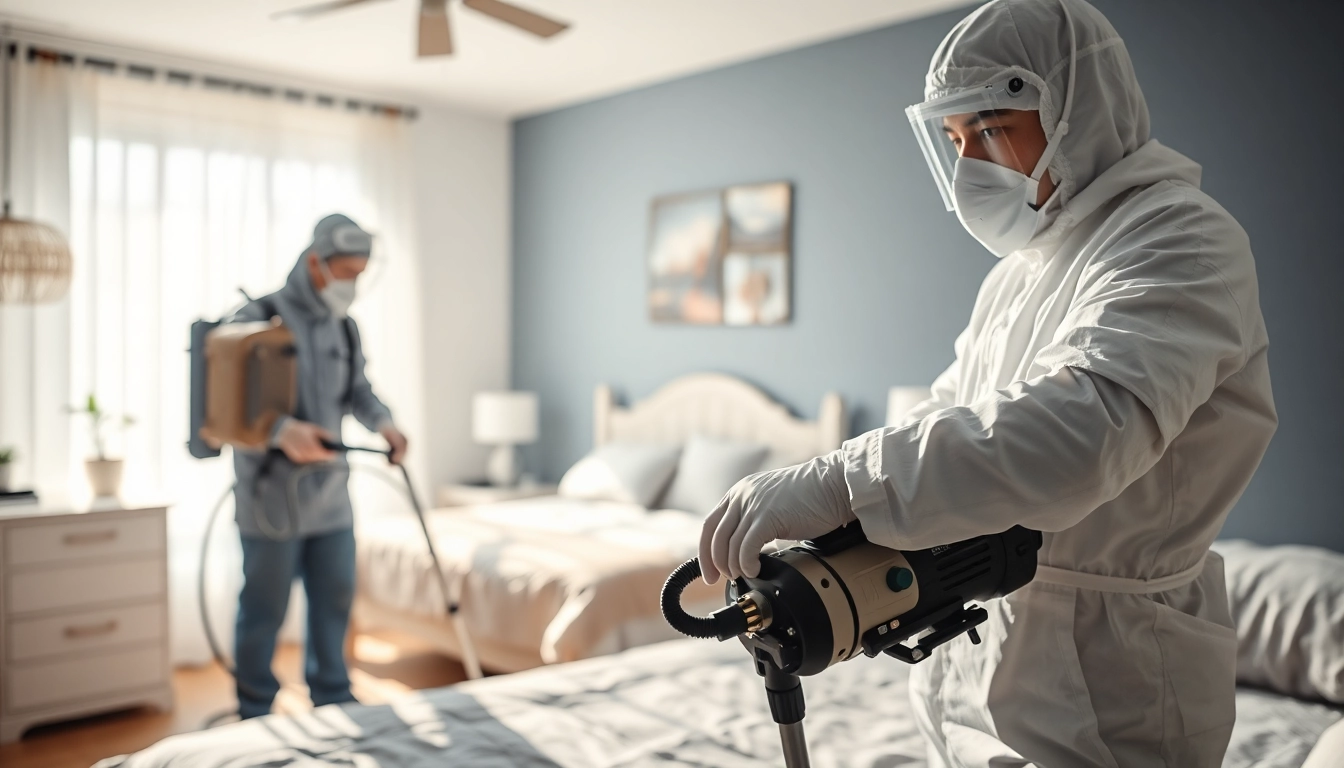
Professional exterminators begin with a thorough inspection to confirm the presence of bed bugs and identify the extent of the infestation. This is often accompanied by checking high-risk areas such as mattresses, box springs, baseboards, and furniture joints. Following the inspection, exterminators will outline a treatment plan that includes effective methods tailored to the specific situation.
Common Techniques Used
Exterminators employ several methods to eliminate bed bugs:
- Heat Treatment: This method involves raising the temperature in affected areas to above 120°F, effectively killing all life stages of bed bugs.
- Pesticides: Residual insecticides may be applied to surfaces where bed bugs are likely to hide. Exterminators choose specific products tailored to target these pests while considering safety for humans and pets.
- Vacuuming: High-efficiency vacuums are often used during inspections to remove live bugs, eggs, and debris from infected areas.
- Encasements: Mattress and box spring encasements can be utilized to trap remaining bed bugs, preventing them from feeding and breeding.
Preparing Your Home for Extermination
Steps to Take Before the Visit
Prior to an exterminator’s visit, it’s essential to prepare your home to maximize the treatment's effectiveness:
- Declutter: Remove items from floors, beds, and furniture that may obstruct treatment.
- Launder Bedding: Wash all bed linens, curtains, and clothes in hot water and dry them on a hot setting.
- Isolate Infested Items: Bag up any infested items to prevent the spread of bed bugs during treatment.
Items to Move and Store
Consider moving the following items to facilitate easier access and effective treatment:
- All furniture away from walls.
- Personal belongings and electronic devices that may not remain in the treatment zone.
- Any food items should be sealed and stored away from the infested area.
Safety Precautions to Follow
It’s essential to follow safety precautions during preparations to keep yourself, family members, and pets safe:
- Inform the exterminator of any allergies or sensitivities.
- Restrict access to treated areas during the extermination process.
Post-Extermination Measures
How to Ensure Success
After extermination, taking proactive measures is crucial to ensure long-term success in the battle against bed bugs:
- Refrain from moving items back into the treated rooms until the exterminator advises.
- Continue to check for signs of bed bugs for several weeks after treatment.
- Consider regular inspections of high-risk areas as a preventative measure.
Signs to Watch For
Keep an eye out for these signs, which may indicate whether the infestation remains:
- New bite marks appearing on skin.
- Fresh blood spots on bedding or furniture.
- Visible bed bugs or fecal stains in the vicinity.
When to Call Back Professionals
If you observe any persistent signs of bed bugs after treatment, it’s essential to contact your exterminator without delay. Additionally, if new infestations arise, immediate professional assessment and intervention may be required to prevent a resurgence.
Frequently Asked Questions about Bed Bug Exterminators
What methods do exterminators use for bed bugs?
Exterminators often use a combination of heat treatments, chemical pesticides, and isolation techniques to eliminate bed bug populations.
How can I prevent bed bug infestations?
Regular cleaning, minimizing clutter, and inspecting second-hand items can prevent infestations from occurring in your home.
Are bed bug exterminators safe for pets and children?
Most professional exterminators offer eco-friendly solutions and take safety precautions to ensure the safety of pets and children during treatment.
How long does the extermination process take?
Typically, the extermination process can take a few hours to a full day, depending on the extent of the infestation and treatment methods used.
What should I expect after treatment?
After treatment, you may notice bed bug activity for a few weeks until all remaining insects are eliminated, but significant reduction is typical.