Understanding Bond Cleaning
What is Bond Cleaning?
Bond cleaning, often referred to as end-of-lease cleaning, is a comprehensive cleaning service required by landlords to ensure properties are returned in pristine condition after tenants vacate. This cleaning process involves deep-cleaning various areas of a property, including kitchens, bathrooms, carpets, and living spaces, with the aim of achieving a satisfactory result that meets the cleaning standards established in the rental agreement.
Importance of Bond Cleaning
The significance of bond cleaning cannot be overstated as it plays a crucial role in ensuring tenants receive their full rental deposit back. A thorough Bond cleaning conveys professionalism and respect for the property, potentially impacting future rental references. For landlords, a clean property means reduced time and effort in preparing for new tenants, ensuring a seamless transition. In essence, it protects the financial interests of both parties involved.
Common Bond Cleaning Services
Common services included in bond cleaning typically encompass:
- Kitchen Cleaning: Deep cleaning appliances, countertops, cabinets, and floors.
- Bathroom Cleaning: Scrubbing showers, tubs, toilets, sinks, and tiles.
- Carpet Cleaning: Steam cleaning or shampooing carpets to remove stains and odors.
- Window Cleaning: Washing windows, interior and exterior, as well as sills and tracks.
- General Cleaning: Dusting, mopping, and sanitizing all living areas.
Preparing for Bond Cleaning
Checklist for Bond Cleaning Preparations
Preparing for bond cleaning involves a systematic approach. Here is a checklist to help tenants ensure they are ready for the cleaning process:
- Remove personal items and furniture from the property.
- Organize any paperwork such as the lease agreement and inspection reports.
- Communicate any specific cleaning requests to the cleaning service.
- Take photographs of the property before cleaning as a reference.
- Ensure all bills and utilities are settled prior to the vacate.
Common Pitfalls to Avoid
While preparing for bond cleaning, tenants often make mistakes that can jeopardize their bond refund. Common pitfalls include:
- Failing to adequately communicate requirements or expectations with the cleaning service.
- Not allowing enough time for cleaning, leading to rushed and incomplete work.
- Overlooking hidden areas such as behind appliances or inside cupboards.
- Neglecting to address minor repairs, which could detract from the overall cleanliness.
- Forgetting to review the property’s condition upon arrival for moving out.
How to Communicate with Your Cleaner
Effective communication is key to a successful bond cleaning experience. Here are tips to facilitate this process:
- Clearly outline your expectations in writing before the cleaning begins.
- Schedule a walkthrough of the property prior to cleaning to highlight specific problem areas.
- Maintain an open line of communication throughout the cleaning process for any updates.
- Be available for questions the cleaner may have about certain areas or tasks.
- Request a checklist to ensure all tasks are documented and completed.
Bond Cleaning Techniques and Tips
Essential Cleaning Supplies for Bond Cleaning
Whether you choose to hire a professional or tackle bond cleaning yourself, using the right supplies makes a significant difference. Essential items include:
- All-purpose cleaner for general surfaces.
- Glass cleaner for windows and mirrors.
- Disinfectant wipes for high-touch areas.
- Scrub brushes and sponges for tough stains.
- Vacuum cleaner with attachments for carpets and upholstery.
Professional Bond Cleaning Techniques
Professionals often use specialized techniques that enhance their cleaning effectiveness. Such methods include:
- Steam cleaning carpets and upholstery to eliminate deep-set dirt and allergens.
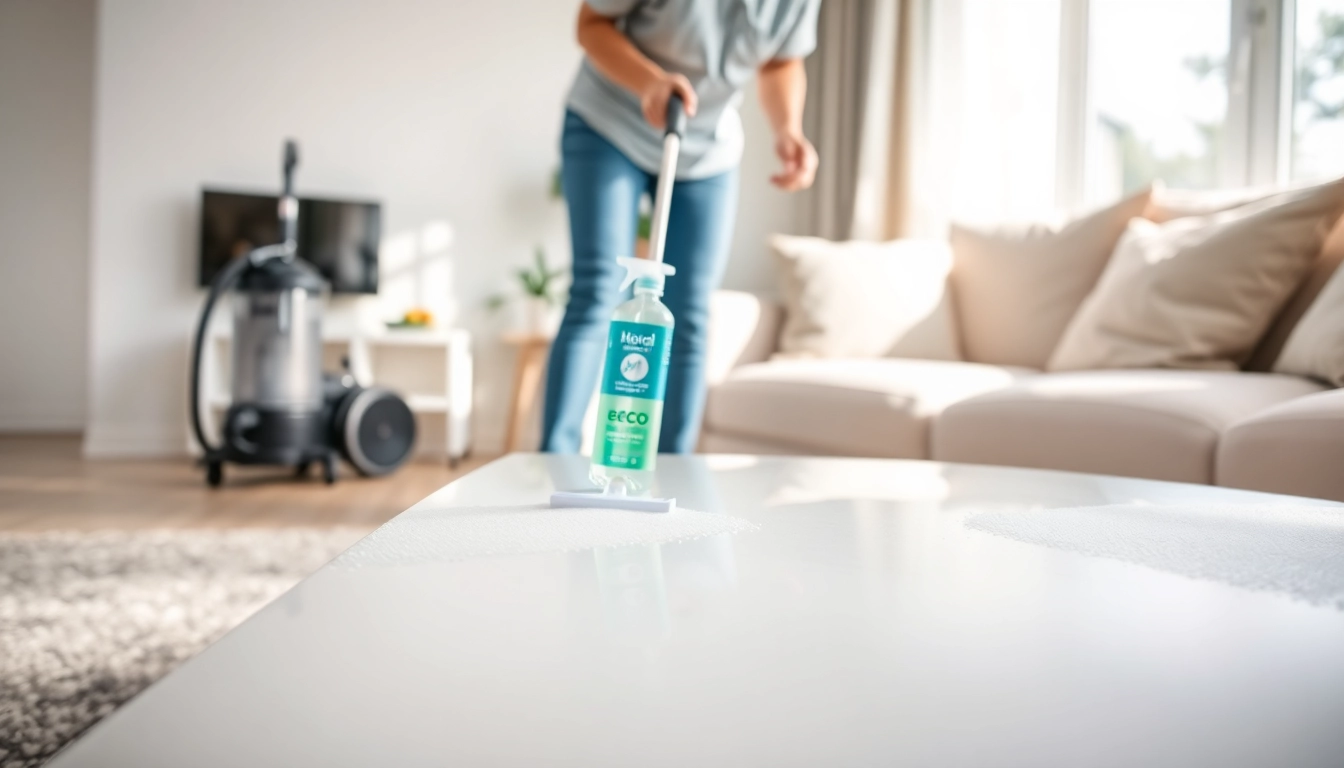
- Using eco-friendly cleaning solutions that are less harmful to health and the environment.
- Taking a systematic approach to cleaning, starting from the top and working downwards.
- Employing proper vacuuming and dusting techniques to capture more dust and debris.
- Using specific tools for hard-to-reach areas, ensuring every corner is addressed.
DIY Tips for Effective Bond Cleaning
If you prefer a DIY approach, consider these effective bond cleaning tips:
- Create a cleaning schedule to break tasks into manageable segments.
- Utilize homemade cleaning solutions such as vinegar and baking soda for a budget-friendly approach.
- Involve friends or family to share the workload, making cleaning quicker and more enjoyable.
- Be thorough—take time to clean areas that are often overlooked, like light fixtures and behind furniture.
- Plan for disposal of unwanted items to declutter while cleaning.
Post-Bond Cleaning Steps
Final Checks to Ensure Cleanliness
Once cleaning is complete, perform a final inspection to ensure everything meets expectations. Follow these steps:
- Use a checklist to confirm every area has been cleaned.
- Pay attention to any missed spots, particularly in kitchens and bathrooms.
- Ensure all windows are cleaned internally and externally.
- Look for any damaged items or areas that may need to be repaired or noted.
- Compare the current state of the property to your pre-cleaning photographs.
How to Manage Feedback from Landlords
Feedback from landlords is essential, as their satisfaction can impact your bond refund. Here’s how to handle it:
- Be open to constructive criticism and ratings of your cleaning.
- Address any concerns quickly, offering solutions where possible.
- Request feedback in writing for future reference, particularly if you are renting again.
- Maintain professionalism, even if the feedback is negative, to ensure goodwill.
- Incorporate feedback into future cleaning endeavors to improve your techniques.
Understanding Bond Refund Processes
When it comes time to retrieve your bond deposit, understanding the process is key. Typically, the following occurs:
- The landlord or property manager inspects the property post-cleaning.
- Any deductions will be documented and shared with the tenant.
- Disputes over deductions can be escalated to governing bodies or tenancy advocates.
- Keep all records of communication and cleaning efforts as evidence.
- Be aware of your rights regarding the bond refund timeframe set by local laws.
Frequently Asked Questions about Bond Cleaning
How much does Bond cleaning cost?
Bond cleaning costs vary based on property size and location. Typically, they range from $150 to $600, influenced by the complexity of the clean and additional services required.
How long does Bond cleaning take?
The duration of bond cleaning depends on property size and condition. Generally, it can take anywhere from 3 to 8 hours for a complete and thorough clean.
Can I do Bond cleaning myself?
Yes, you can perform bond cleaning yourself; however, it is essential to be thorough and meet all requirements outlined in your lease to ensure a satisfactory completion.
What if I'm not satisfied with the Bond cleaning?
If you are dissatisfied, gather evidence (photos, checklists) and communicate your concerns to the cleaning service. Seek adjustments or a redo of the service if necessary.
Are cleaning products provided during Bond cleaning?
Typically, cleaning products are not included in bond cleaning services. It is essential to confirm with your cleaning professional about what supplies will be used.