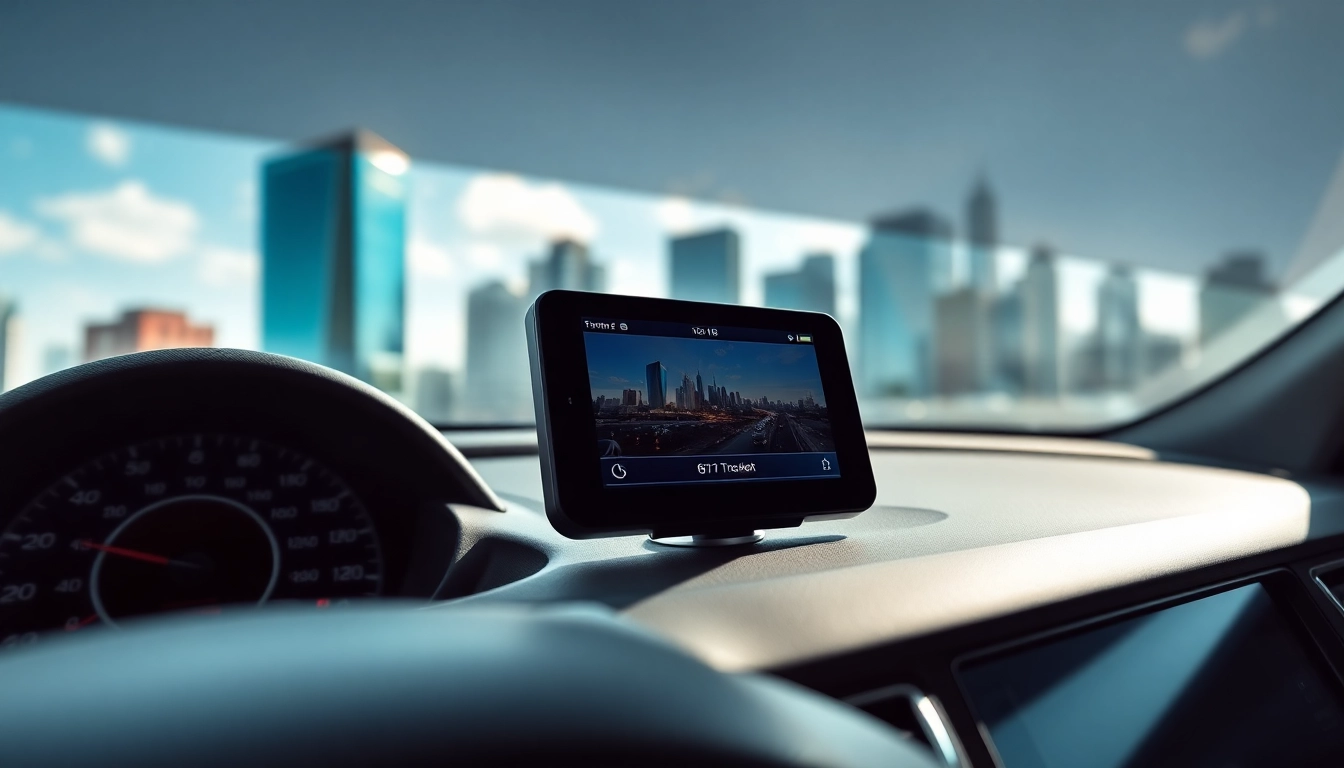
Understanding Insurance Approved Trackers
What are Insurance Approved Trackers?
Insurance approved trackers are specialized GPS tracking devices that help safeguard vehicles by allowing real-time monitoring of their location. These devices offer significant benefits, particularly for car owners seeking to enhance their vehicle security and possibly reduce insurance premiums. When a vehicle is fitted with an Insurance approved trackers, it becomes easier for insurers to determine the vehicle's risk profile and reward responsible driving behavior through policy discounts. These trackers are typically endorsed by insurance companies because they meet specific security standards, such as the Thatcham categorization in the UK, which quantifies the device's effectiveness in preventing vehicle theft and improving recovery rates.
How They Work
Insurance approved trackers use GPS (Global Positioning System) technology to provide real-time data on a vehicle's location. Here's a breakdown of their functionalities:
- Real-Time Tracking: Trackers transmit the vehicle's location at set intervals, allowing owners or insurers to monitor their vehicle's movements via a mobile app or web portal.
- Theft Alerts: Many devices are equipped with geofencing capabilities, sending alerts if a vehicle moves unexpectedly (for example, during the night when parked).
- Recovery Services: In case of theft, the tracking information can be shared with law enforcement agencies, significantly increasing the chances of a swift recovery.
Importance in Vehicle Security
The modern world has seen an undeniable rise in vehicle theft, which is why having an insurance approved tracker is crucial. Not only do these devices deter thieves, but they also offer numerous benefits:
- Reducing the chances of vehicle theft through real-time monitoring and tracking capabilities.
- Facilitating faster recovery of stolen vehicles, reducing overall losses for both owners and insurers.
- Enhancing peace of mind for vehicle owners, enabling them to keep track of their assets effectively.
Benefits of Using Insurance Approved Trackers
Reduce Insurance Premiums
One of the most appealing benefits of installing insurance approved trackers is the potential for reduced insurance premiums. Insurers often provide discounts to policyholders who use these devices, as they minimize the risk of theft and facilitate quicker recovery. This arrangement not only rewards responsible driving but also encourages safe driving habits, leading to a decrease in accident rates and claims.
Enhanced Theft Recovery
Insurance approved trackers play a pivotal role in theft recovery. When a vehicle is reported stolen, the tracking device can provide precise location data, enabling law enforcement agencies to recover the vehicle quickly. Studies have shown that vehicles equipped with trackers have a higher recovery rate compared to those without, significantly reducing the financial burden on both the owner and the insurance company.
Real-time Monitoring Capabilities
Using GPS technology, these trackers allow vehicle owners to monitor their cars in real time. This feature is particularly beneficial for fleet management, helping businesses streamline operations, enhance security, and maintain accountability. Real-time alerts and monitoring can also help owners ensure the safety of their vehicles when parking in unfamiliar or high-risk areas.
Choosing the Right Insurance Approved Tracker
Types of Trackers Available
There are several types of insurance approved trackers available in the market, each catering to different needs and preferences. The most common types include:
- OBD Trackers: Plugged directly into the OBD-II port of the vehicle, these trackers often offer easy installation and real-time monitoring features.
- Hardwired Trackers: Installed directly into the vehicle's electrical system, providing reliable connectivity but require professional installation.
- Battery-Powered Trackers: Portable and often magnetic, these trackers can be placed discreetly in various locations, but require regular charging or battery changes.
Key Features to Consider
When selecting an insurance approved tracker, potential buyers should consider the following features:
- Geofencing: Enables alerts when a vehicle moves outside designated areas, adding an extra layer of security.
- Real-Time Alerts: Instant notifications about suspicious activities, such as movement during unusual times.
- Mobile App Compatibility: Access to tracking data and alerts via a smartphone app enhances user experience.
Cost and Subscription Options
The cost of insurance approved trackers can vary widely based on the type and features. Many devices operate on a subscription model that includes maintenance and service fees. Prospective buyers should analyze the total cost of ownership, including initial purchase prices, monthly fees, and any additional costs for supplementary services like driver behavior analysis.
Installation and Maintenance of Insurance Approved Trackers
Installation Process Overview
The installation of insurance approved trackers can be straightforward or require professional assistance, depending on the type of device. OBD trackers usually just need to be plugged into the vehicle's port, whereas hardwired trackers may require expertise to integrate seamlessly with the vehicle's systems. It is advisable to consult the manufacturer’s guidelines or hire a professional for complex installations to ensure optimal performance and reliability.
Maintenance Tips for Longevity
To ensure the longevity of an insurance approved tracker, regular checks should be performed. Owners should:
- Inspect the device periodically to ensure it remains securely mounted.
- Check the battery levels for battery-powered devices and replace as needed.
- Stay updated with software or firmware updates to enhance functionality.
Potential Challenges and Solutions
While insurance approved trackers offer numerous benefits, they can present challenges, including:
- Privacy Concerns: Users may feel anxious about being constantly monitored. It's essential to establish clear usage guidelines and maintain transparency with all stakeholders.
- Battery Life: For battery-powered devices, ensure regular recharging to avoid downtime. Opting for hardwired solutions can mitigate this issue.
FAQs about Insurance Approved Trackers
Are insurance approved trackers worth the investment?
Yes, they often lead to reduced premiums, enhanced security, and faster recovery times after theft, making them a valuable investment for vehicle owners.
What features should I look for in a tracker?
Look for features like real-time tracking, geofencing, mobile app compatibility, and reliable alert systems to ensure optimal security and usability.
Can trackers improve my driving habits?
Yes, many trackers provide feedback on driving behavior, which can help users become more aware of their habits and encourage safer driving.
Is there a subscription fee for these devices?
Most insurance approved trackers operate on a subscription model, which includes data and support services, adding to the overall cost.
How do they affect my insurance claims?
Trackers can provide necessary data during claims processes, potentially expediting resolutions. Ensure all details are up-to-date for accuracy.