What are Peptides?
Definition and Structure
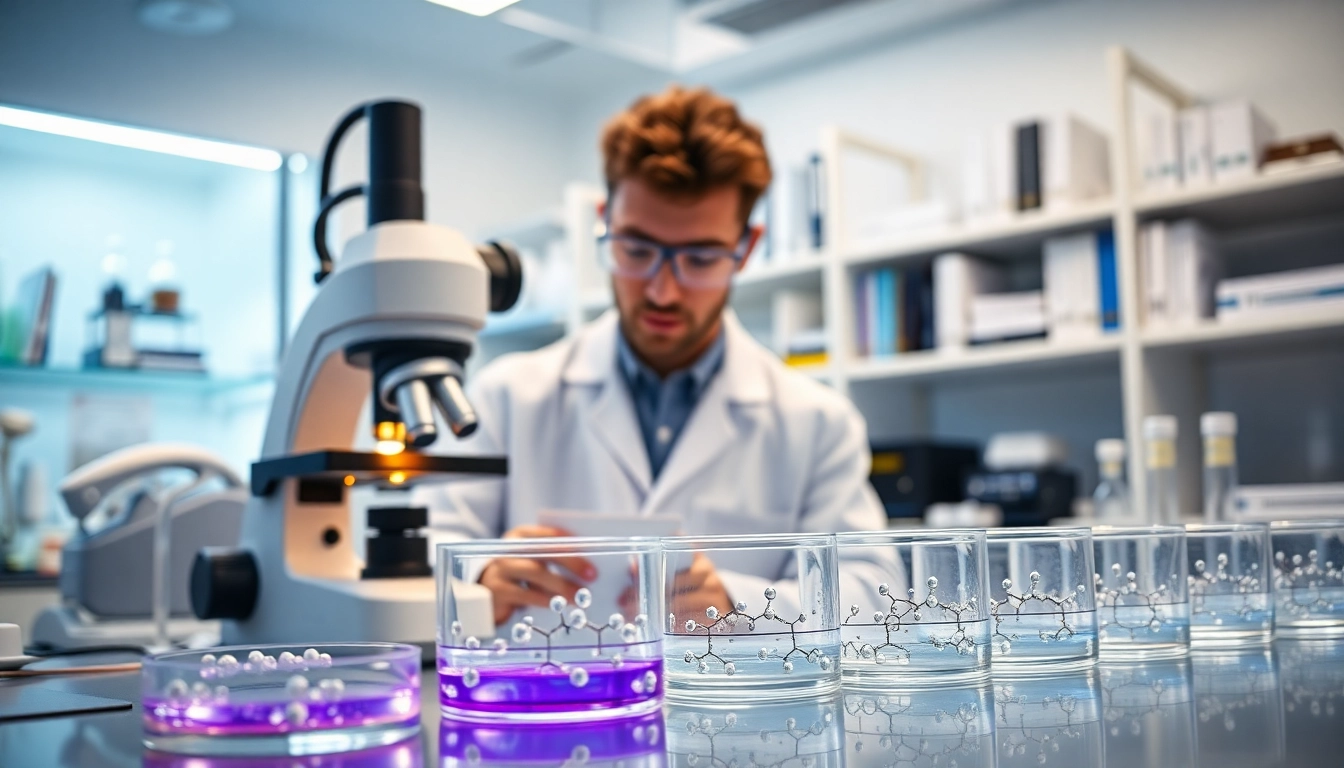
Peptides are short chains of amino acids, which are the building blocks of proteins. They typically consist of 2 to 50 amino acids linked together by peptide bonds. The unique sequence of amino acids determines the peptide's specific structure and function in the body. Peptides can be naturally occurring, as found in various proteins, or synthetically produced for research and medical use. Their small size allows them to interact effectively with various receptors in the body, making them key players in many biological processes.
Types of Peptides
There are numerous types of peptides, classified based on their origin, structure, and function. Some of the most notable categories include:
- Hormonal Peptides: These peptides play essential roles in regulating biological activities, such as insulin and growth hormone.
- Neuropeptides: These act as neurotransmitters in the brain, influencing mood, pain, and stress responses.
- Antimicrobial Peptides: Part of the immune response, these peptides fight against infections by disrupting the membranes of pathogens.
- Signal Peptides: These guide the transport of proteins to their destinations within cells.
How Peptides Work in the Body
Peptides exert their effects by binding to specific receptors on cell membranes, triggering a cascade of biochemical signals. This interaction can activate or inhibit various physiological processes, such as metabolism, muscle growth, and immune responses. The precise nature of these interactions depends on the peptide's structure and the receptor's characteristics. For example, the peptide cjc 1295 ipamorelin stimulates the release of growth hormone, which can lead to increased muscle mass and improved recovery times.
Benefits of Peptide Research
Impacts on Longevity and Aging
Peptide research is paving the way for innovative treatments targeting aging and longevity. Certain peptides have been shown to enhance cellular repair processes and promote regenerative functions. For instance, peptides that stimulate growth hormone release can potentially reverse some aspects of aging by promoting tissue regeneration and improving overall metabolic health.
Studies show that specific peptides can protect against age-related decline, influence gene expression linked to longevity, and enhance mitochondrial function, which is crucial for energy metabolism. While research is ongoing, the potential for peptides in developing anti-aging therapies holds great promise for future healthcare.
Potential for Muscle Growth and Recovery
One of the most exciting applications of peptide research lies in the domain of sports performance and recovery. Peptides like CJC 1295 and Ipamorelin have garnered attention for their roles in enhancing muscle recovery, increasing lean body mass, and boosting strength. By promoting the secretion of growth hormone, they encourage anabolic processes that lead to muscle hypertrophy and accelerated recovery post-exercise.
Clinical studies have indicated that athletes using these peptides experience improved performance outcomes and reduced recovery times, allowing for more effective training regimens and better overall physical performance.
Enhancements in Metabolism
Peptides can significantly influence metabolism, providing avenues for managing body weight and improving energy levels. Some peptides enhance fat metabolism while promoting lean muscle preservation. By targeting specific receptors, they can stimulate metabolic pathways that increase calorie expenditure and reduce fat accumulation.
Furthermore, peptide-based treatments can be developed to combat metabolic disorders such as obesity and type 2 diabetes, making them valuable tools in the realm of preventative healthcare and weight management.
CJC 1295 and Ipamorelin: A Closer Look
Mechanisms of Action
CJC 1295 and Ipamorelin are both classified as growth hormone secretagogues. They work by stimulating the pituitary gland to release growth hormone (GH). CJC 1295 is a modified version of growth hormone-releasing hormone (GHRH), with an extended half-life, allowing for prolonged stimulation of GH production. On the other hand, Ipamorelin mimics ghrelin, a natural appetite-regulating hormone, to stimulate the release of growth hormone effectively.
Together, these peptides can create a synergistic effect, enhancing growth hormone levels in the bloodstream and amplifying their overall anabolic effects without causing significant increases in cortisol or prolactin.
Comparative Effects
When comparing CJC 1295 and Ipamorelin, there are key differences in their effects and usage. CJC 1295 often leads to a more substantial elevation of growth hormone levels due to its longer duration of action. This can result in increased muscle growth and enhanced recovery rates. Conversely, Ipamorelin has a more controlled release of GH, making it an excellent option for those looking to minimize side effects while still benefiting from GH elevation.
Both peptides are used in different contexts depending on individual goals, with many users opting for a combination of both to maximize benefits.
Clinical Applications
The clinical applications of CJC 1295 and Ipamorelin extend beyond bodybuilding and athletic performance. These peptides are being investigated for their potential therapeutic roles in treating conditions associated with growth hormone deficiency, including age-related muscle wasting and metabolic disorders. Researchers are exploring their use in trauma recovery, cachexia, and even certain neurological conditions. As studies continue, the potential for these peptides in both clinical and wellness settings appears promising.
Challenges in Peptide Research
Stability Issues
One notable challenge in peptide research is stability. Peptides are typically sensitive to environmental factors such as temperature, pH, and enzymatic activity, which can lead to degradation. This instability can limit their effectiveness and shelf-life, creating hurdles in their development and application as therapeutic agents.
Efforts to address these concerns include the formulation of stable peptide analogs, incorporating protective delivery systems, and optimizing storage conditions to maintain peptide integrity over time.
Ethical Considerations
As with any emerging therapies, peptide research faces ethical considerations, particularly regarding their use in sports and bodybuilding. The potential for misuse and the implications of promoting unfair advantages have led to discussions about regulating peptide use. This is crucial to ensure fair competition while also considering the therapeutic benefits peptides could provide to those with legitimate health needs.
Regulatory Hurdles
Regulatory frameworks governing the use of peptides can be complex. The approval process for new peptide therapies is often rigorous, requiring extensive clinical trials to demonstrate safety and efficacy. This can result in lengthy delays before new treatments become available to the public. Navigating these regulations while ensuring compliance with health and safety standards is essential for researchers and manufacturers in the peptide field.
Future Directions in Peptide Research
Emerging Technologies
Innovations in biotechnology hold the potential to significantly advance peptide research. Techniques such as combinatorial peptide synthesis, high-throughput screening, and advanced analytical methods can facilitate the discovery of new peptides with unique properties and therapeutic applications. Additionally, incorporating machine learning and artificial intelligence can accelerate the identification and optimization of peptides for specific targets.
Potential Therapeutic Applications
The future of peptide research is robustly promising, with potential therapeutic applications spanning various medical fields. From cancer therapies targeting tumor growth to regenerative medicine approaches in treating injuries or degenerative diseases, peptides may play critical roles in developing personalized medicine approaches. Additionally, their contributions to immunotherapy and vaccine development are areas of keen investigation.
Innovative Delivery Methods
Effective delivery methods are crucial for maximizing the therapeutic potential of peptides. Innovations in drug delivery, such as liposomal encapsulation, micro- and nanocarrier systems, and transdermal delivery techniques, are being explored to enhance bioavailability. These advanced methods aim to ensure that peptides reach their target sites efficiently while minimizing degradation and maximizing therapeutic effects.
Frequently Asked Questions
What are the primary benefits of CJC 1295 and Ipamorelin?
The primary benefits include enhanced muscle growth, improved recovery times, and increased metabolic activity, contributing to better overall physical performance and body composition.
Can CJC 1295 and Ipamorelin be used together?
Yes, many users combine CJC 1295 with Ipamorelin to maximize the benefits of increased growth hormone release and to gain synergistic effects.
Are there any side effects associated with these peptides?
Possible side effects can include injection site reactions, water retention, and fluctuations in appetite; however, these are typically mild and vary among individuals.
How are CJC 1295 and Ipamorelin administered?
These peptides are usually administered via subcutaneous injections, and dosing can vary based on individual goals and physician guidance.
What is the research status on peptide therapies?
Peptide therapies are being actively researched, with numerous clinical trials underway to investigate their efficacy and safety for various medical conditions and athletic applications.