
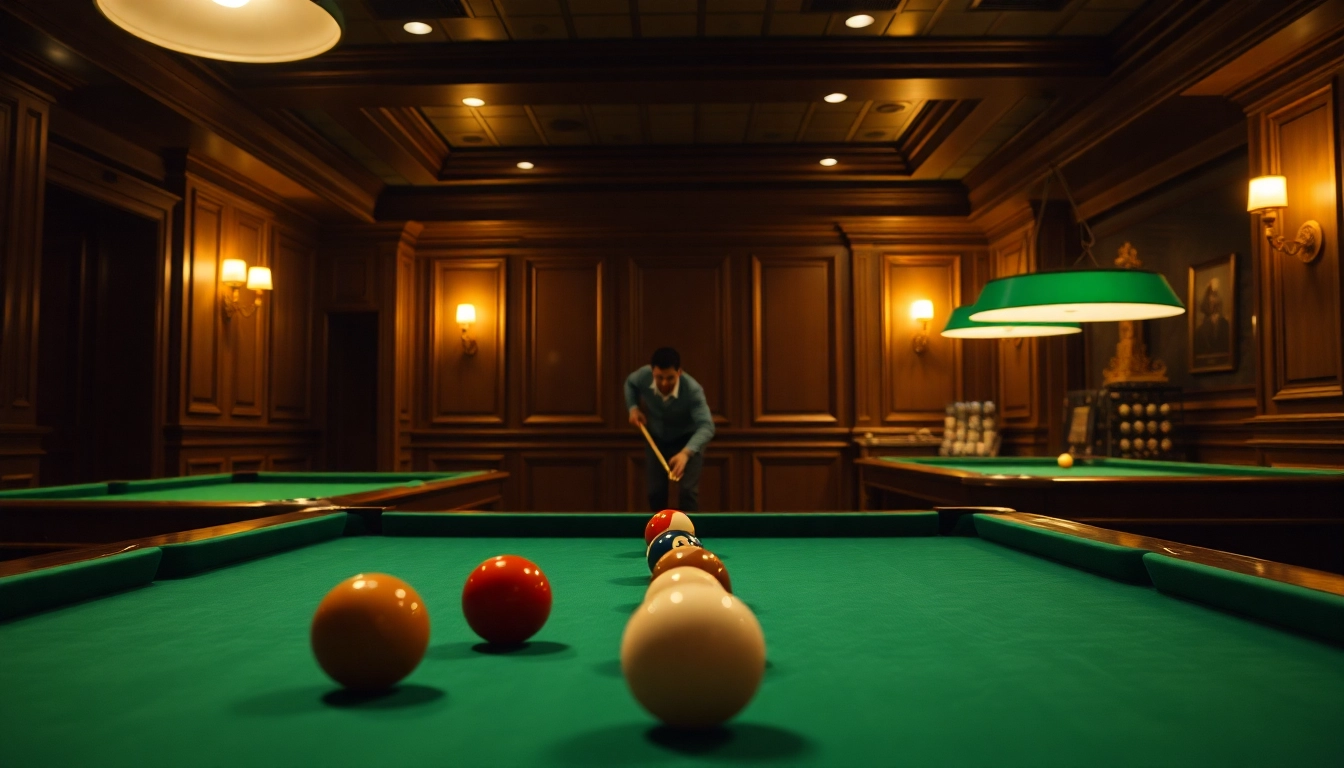
Understanding Billiards: A Comprehensive Guide
Billiards is a timeless sport that captures the attention of players across generations. As a unique blend of skill, strategy, and finesse, this game encompasses various forms, each requiring precision and practice. Whether you're a seasoned enthusiast or just stepping into the world of Billiards, understanding the fundamentals can significantly enhance your experience and performance. In this guide, we will delve deep into the history, types, essential gear, and techniques, making it a valuable resource for players at all levels.
The History of Billiards
The origins of billiards can be traced back to 15th-century Europe, where it emerged from outdoor lawn games similar to croquet. Initially played with wooden sticks on a grass surface, billiards quickly transitioned indoors onto a rectangular table with green felt, representing a grass-like environment. By the late 1700s, billiards evolved to include the use of balls made from ivory and later plastic materials.
The game diversified into several variations, with snooker, pool, and carom billiards emerging as popular styles. Each version boasts distinct rules, objectives, and equipment, reflecting regional preferences and advancements in gameplay strategy. Today, billiards continues to capture the imagination of players worldwide, celebrated both in casual and competitive frameworks.
Billiards Types and Variations
Billiards is not a monolith; it comprises various games, each with its own set of rules and nuances. Understanding these variations is crucial for any player looking to broaden their skills. Here are some of the most prominent types:
- Carom Billiards: Played on a table without pockets using three balls, players score by hitting the other two balls in a single stroke.
- Pool: Often associated with bar games, pool includes several variations such as eight-ball, nine-ball, and ten-ball, each with specific goals and game mechanics.
- Snooker: Played on a larger table with smaller balls, this variation is known for its complexity and strategic depth, requiring players to score by potting balls in a specific order.
- English Billiards: Combining elements of both carom and pocket billiards, players aim to score points through various methods, including potting, and using carom-like points.
Essential Equipment for Billiards
To enjoy billiards, having the right equipment is paramount. This includes:
- Cue Stick: The primary tool for players; cues come in various styles, weights, and lengths to suit personal playing preferences.
- Balls: Size and material can vary across game types. High-quality billiard balls enhance gameplay and strategy.
- Table: Billiard tables differ in size and felt quality. Choosing the right table plays a significant role in your playing experience.
- Chalk: Crucial for maintaining cue tip grip on the cue ball, maximizing control and precision.
- Accessories: This includes racks, cues cases, and bridges that aid in gameplay and transport.
Basic Techniques for Beginners
Understanding Cue Control
Cue control is fundamental in billiards, allowing players to execute precise shots that dictate the game's flow. Beginners should focus on delivering consistent strokes and mastering shot angles. Begin by practicing your stance and grip, ensuring your cue follows through in a straight line. Regular practice will cultivate muscle memory, leading to improved accuracy and overall gameplay.
Stance and Grip Basics
The correct stance and grip form the foundation of any successful shot. Stand with your feet shoulder-width apart, aligning your dominant foot with the cue ball. Maintain a relaxed grip on the cue, allowing a gentle forward motion while keeping your elbow steady. A common mistake is gripping too tightly, which can compromise your control and accuracy.
Common Mistakes and How to Avoid Them
As you embark on your billiards journey, it's essential to acknowledge common pitfalls. Many beginners tend to:
- Overthink shot placement, leading to hesitancy.
- Neglect proper warm-ups, increasing the chances of fatigue and inconsistency.
- Fail to communicate and collaborate when playing with partners, affecting the overall experience.
To overcome these mistakes, practice regularly, engage with more experienced players, and refine your focus on the fundamentals.
Intermediate Strategies to Enhance Your Game
Mastering Angles and Bank Shots
As you progress beyond basics, mastering angles becomes critical to outsmarting opponents. Understand the concept of bank shots - hitting a ball off the cushion to pocket it. Use your cue to observe the angles created by the cushions, adjusting your approach based on the intended outcome. Practicing different angles will enhance your strategic thinking and execution during the game.
The Importance of Spin in Billiards
Applying spin alters the ball's trajectory and control, significantly impacting the outcome of each shot. Familiarize yourself with the various spins:
- Top Spin: Causes the object ball to roll forward after contact, useful for controlling the ball's path.
- Back Spin: Rolls the ball backward, providing better control on the next shot.
- Side Spin: Alters the ball's lateral movement post-impact, crucial for advanced maneuvers.
Practice executing different spins to gain an edge over opponents, adjusting your strategies accordingly.
Practicing with Purpose: Drills to Improve
To elevate your game, incorporate purposeful drills into your practice routine. Focus on specific skill sets, such as:
- Straight Shots: Place balls in a straight line and practice potting them consistently.
- Position Play: Set target balls and strategize how to achieve the desired position for subsequent shots.
- Bank Shot Drills: Practice different bank shots under varying angles and distances.
Regular drills will enhance muscle memory and enable smooth decision-making during gameplay.
Advanced Skills: Taking Your Billiards Game to the Next Level
Strategic Thinking and Game Analysis
Advanced players must marry skill with strategic thinking. Analyze your game alongside interested players or coaches. Reflect on successful shots, potential improvements, and strategic plays based on your opponent's weaknesses. Keeping a journal to track each game's progression serves as a reference for future encounters.
Understanding Opponents: Reading Their Moves
Observing and understanding your opponent's tendencies can provide crucial insights. Pay attention to their shot selection, frequent mistakes, and preferred strategies. Anticipate their next moves, allowing you to counter effectively and maintain the upper hand throughout the game.
Creating Your Unique Playing Style
Every successful billiards player develops their distinct style, merging learned techniques with personal adaptations. Experiment with different approaches during practice sessions, merging those that align with your strengths and preferences. Emphasize what makes your gameplay distinctive, whether it be your shot selection, patience, or aggressiveness. Developing your style builds confidence and enhances your competitiveness.
Frequently Asked Questions About Billiards
What are the basic rules of billiards?
The basic rules vary by game type, but generally, they involve scoring points by potting balls in a correct sequence, adhering to designated turns, and avoiding fouls.
How can I improve my billiards skills quickly?
Regular practice is essential. Focus on specific techniques, invest time in drills, and engage with experienced players for immediate feedback.
What equipment do I need to play billiards?
You need a cue stick, billiard balls, a table, chalk, and some basic accessories. Quality equipment enhances your playing experience.
Are there different types of billiards games?
Yes, popular variations include carom billiards, pool (like eight-ball and nine-ball), and snooker, each offering unique rules and styles.
How do I choose the right cue for my style?
Choosing the right cue involves considering weight, length, and material. Test different cues to find one that complements your grip and playing style.
Contact Information
Call Us: +1 615-624-7821Email: [email protected]Address: 1276 Northwest Broad Street, Murfreesboro, TN, USA