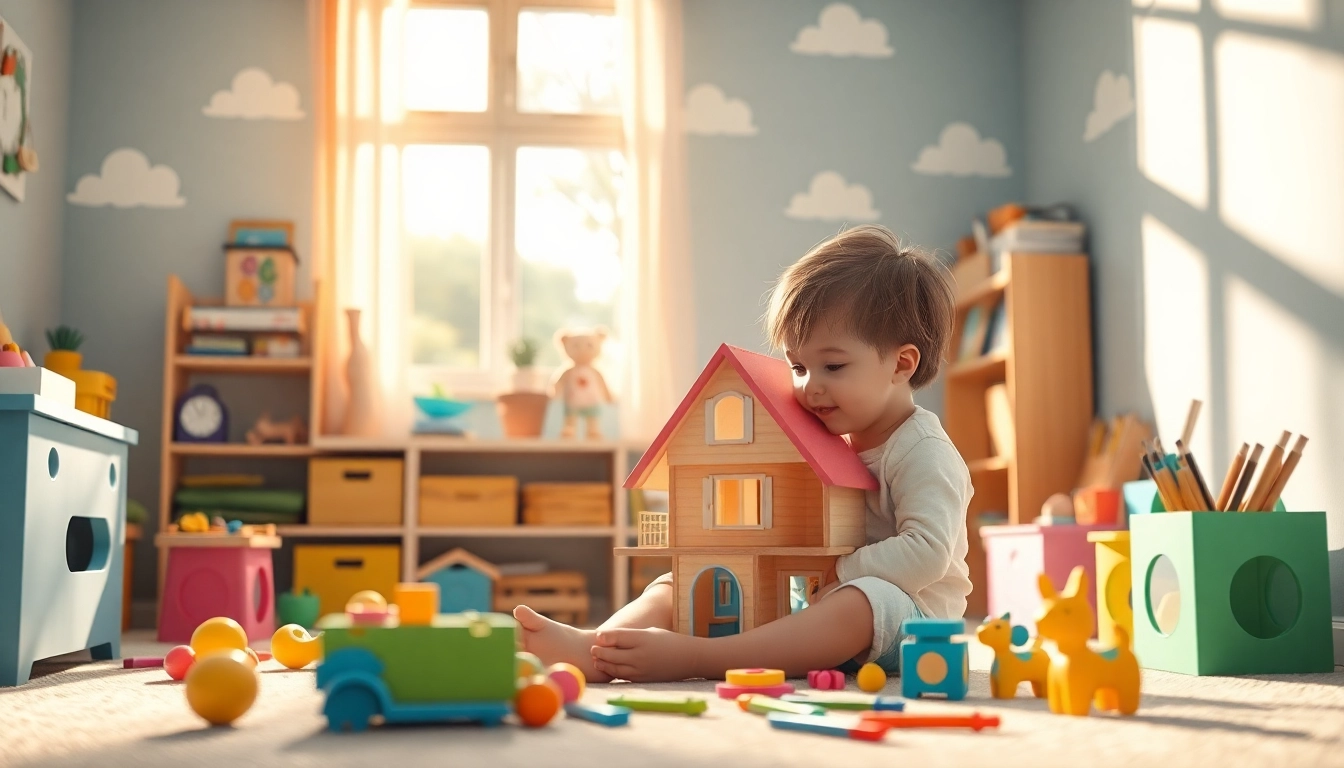
What is Play Therapy?
Definition and Purpose of Play Therapy
Play Therapy is a therapeutic approach primarily designed for children, utilizing the innate power of play as a medium for expression and communication. It encompasses systematic methodologies through which trained therapists aim to facilitate emotional healing and personal growth. The therapist engages with children in a structured play setting, allowing them to express their feelings, thoughts, and experiences through playful interactions rather than traditional verbal communication. This is particularly beneficial for young children, as it aligns with their developmental stage and cognitive abilities, enabling them to navigate psychosocial difficulties effectively.
Through Play Therapy, therapists can understand children's concerns, nurture their emotional health, and help them cultivate coping strategies to deal with difficult emotions or situations. This form of therapy not only aims to address immediate issues but also fosters long-term emotional and psychological resilience.
Historical Background of Play Therapy
The roots of Play Therapy can be traced back to the early 20th century, when psychoanalysts began recognizing the importance of play in children's emotional development. Pioneers like Sigmund Freud and Melanie Klein initiated research on play as a means for children to express unconscious conflicts. The 1940s saw significant advancements with Virginia Axline, who developed the non-directive play therapy model, emphasizing that play provides children the freedom to explore their thoughts and feelings. Over the decades, Play Therapy has evolved, incorporating various therapeutic models such as cognitive-behavioral, humanistic, and psychodynamic approaches. This rich history showcases the adaptability and relevance of Play Therapy in modern therapeutic practices.
Core Principles of Play Therapy
Several core principles guide the practice of Play Therapy:
- Child-Centered Approach: This principle emphasizes the perspective of the child. Therapists respect children’s autonomy and choices during sessions while providing guidance and support.
- Using Play as the Medium: Play is considered the natural language of children. Therapists utilize toys, games, and creative activities to facilitate expressions of feelings and experiences.
- Therapeutic Relationship: The relationship between the therapist and the child is pivotal. A safe, trusting environment enables children to express themselves freely without fear of judgment.
- Utilizing Imaginary Play: Through imaginative play, children can reenact real-life situations, allowing therapists to gain insights into their thoughts and concerns.
Benefits of Play Therapy for Children
Emotional and Psychological Benefits
Play Therapy offers significant emotional and psychological benefits, particularly for children facing various challenges. One of the primary advantages is the enhancement of emotional expression. Many children struggle to articulate their feelings verbally; through play, they can communicate their emotions, fears, and anxieties more effectively. Moreover, this therapeutic approach helps children learn how to cope with their emotions, fostering resilience and emotional intelligence. Several studies indicate that children who undergo Play Therapy show improved emotional regulation and reduced symptoms of anxiety and depression, ultimately leading to healthier psychological development.
Social Skill Development
Social skills are critical for children's development, and Play Therapy is instrumental in promoting these skills. Interaction during play allows children to practice negotiation, cooperation, and problem-solving skills. They learn to share, take turns, and navigate relationships with peers and adults. An environment where social interaction occurs naturally helps children overcome social anxieties and strengthen their interpersonal relationships. Additionally, group Play Therapy sessions can further enhance these skills as children engage with their peers, providing opportunities for collaborative play and shared experiences.
Addressing Behavioral Issues
Children often exhibit behavioral issues as expressions of unmet emotional needs, trauma, or anxiety. Play Therapy has been shown to be effective in addressing a range of behavioral problems, including oppositional defiance, aggression, and withdrawal. By creating a space for children to explore their behaviors symbolically through play, therapists can identify underlying issues and work collaboratively with the child to develop healthier coping mechanisms. Furthermore, incorporating parents into the process can enhance behavioral modifications at home, fostering a supportive and consistent environment.
Techniques Used in Play Therapy
Directive vs. Non-Directive Approaches
Play Therapy encompasses two main approaches: directive and non-directive. In the directive approach, therapists guide sessions with specific activities or objectives. This method can be beneficial for children who require structure and may struggle to focus without clear direction. Conversely, the non-directive approach allows children to lead the session. Therapists provide a safe space for self-expression, following the child's cues and interests. Both approaches are valuable, and the choice between them often depends on the child's needs and therapeutic goals, emphasizing the adaptability of Play Therapy.
Tools and Activities in Play Therapy
Therapists utilize a variety of tools and activities in Play Therapy, including toys, art supplies, puppets, and games. These tools act as vehicles for expression, allowing children to convey complex emotions and experiences. For instance, dolls or figurines can represent family dynamics, while art can serve as a visual outlet for emotions that might be difficult to verbalize. The variety also enables therapists to tailor sessions based on the child's interests, enhancing engagement and therapeutic effectiveness.
The Role of the Therapist
The therapist’s role in Play Therapy is multifaceted. They must be observant, empathetic, and skilled at interpreting non-verbal cues emitted by children during play. Establishing rapport with the child forms the foundation of effective therapy. Additionally, therapists are responsible for creating a safe and enriching therapeutic environment, choosing appropriate tools and techniques, and encouraging individual exploration while maintaining a structured framework. Their goal is to facilitate healing and personal growth through supportive and respectful interactions during play.

Effective Implementation of Play Therapy
Setting Up a Therapeutic Environment
Creating an effective therapeutic environment is crucial for facilitating Play Therapy sessions. A designated space should be comfortable, safe, and filled with various age-appropriate toys and art supplies that promote exploration and creativity. The area should be free from distractions, allowing children to immerse themselves in their experiences fully. Additionally, therapists should ensure that children understand the confidentiality and safety of the session, providing a trusting atmosphere that encourages open expression.
Tailoring Approaches to Individual Needs
No two children are alike, and customizing therapeutic approaches to meet individual needs is essential. This involves considering the child’s age, background, and specific emotional or behavioral challenges. By utilizing initial assessments and ongoing observations, therapists can develop tailored strategies that cater effectively to each child's unique situation. This personalized approach enhances engagement and promotes successful therapeutic outcomes.
Monitoring Progress and Measuring Outcomes
Tracking progress in Play Therapy is vital to ensure effective treatment. This could involve regular feedback from parents, caregivers, or teachers regarding behavioral changes observed outside therapy sessions. Additionally, therapists may employ observational assessments during play and formal evaluations to measure emotional, social, and behavioral improvements. Establishing clear goals at the outset of therapy and reviewing those periodically helps maintain focus and adjusts strategies as needed, ultimately measuring success and enhancing effectiveness.
Frequently Asked Questions about Play Therapy
Does play therapy work for ADHD?
Yes, Play Therapy can be effective for children with ADHD. It enhances impulse control, reduces aggressive behavior, and helps improve overall social skills, providing a supportive environment for emotional expression.
What age group benefits most from play therapy?
While Play Therapy is primarily designed for children aged 3 to 12, it can also benefit adolescents and even adults seeking therapeutic support through creative expression and relational dynamics.
How long does play therapy usually last?
The duration of Play Therapy varies per child and their specific needs. Typically, it involves weekly sessions lasting 30-50 minutes, with treatment spanning several weeks to months, depending on the complexity of the issues addressed.
Can adults benefit from play therapy?
Indeed, adults can also benefit from play therapy. It allows creative expression and exploration of childhood experiences, emotional healing, and overcoming challenges through various playful techniques and activities.
What types of play therapy are available?
There are several types of Play Therapy, including child-centered play therapy, directive play therapy, cognitive-behavioral play therapy, and sandplay therapy, each tailoring therapeutic interventions to different needs and contexts.