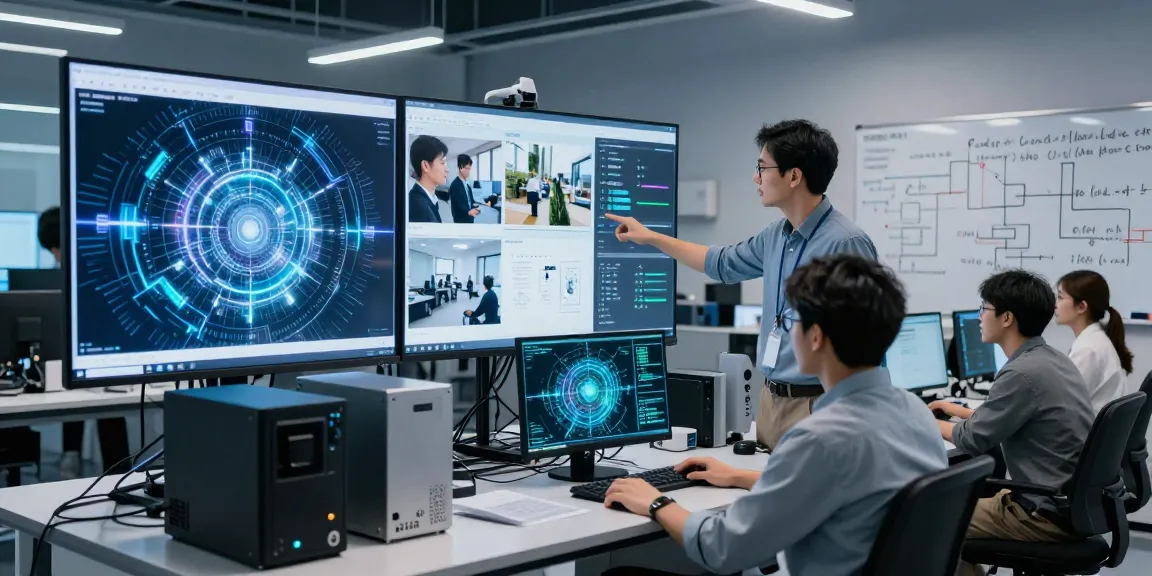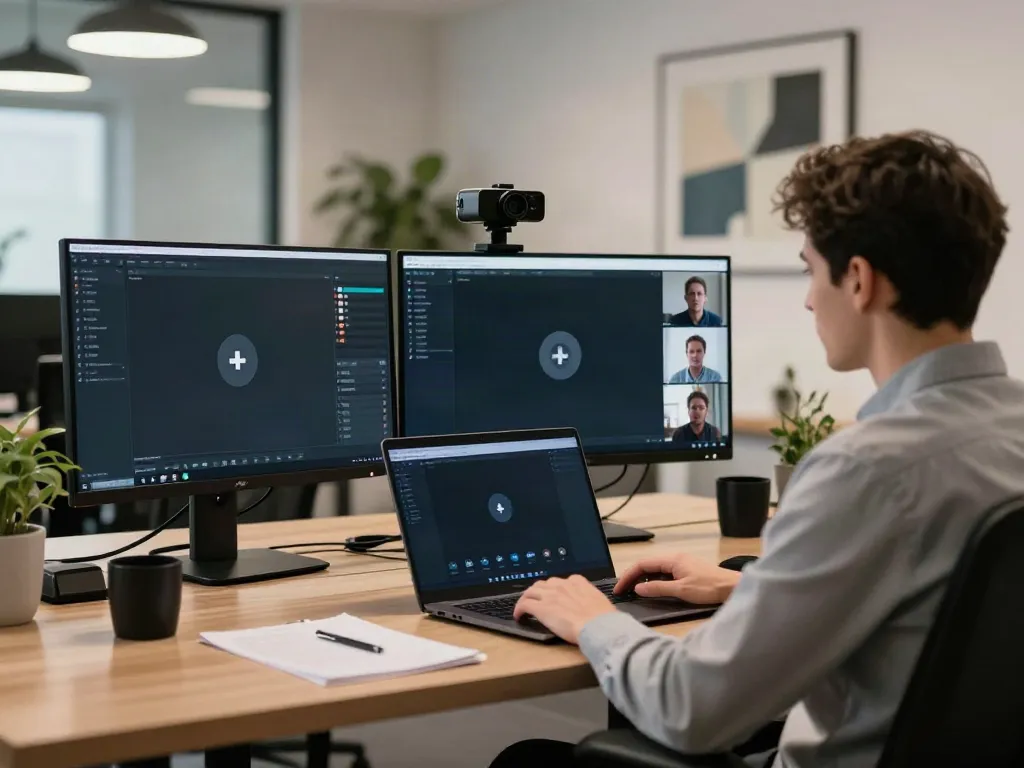
Understanding Deepfake Technology and Its Implications
In an era where virtual interactions are becoming the norm, the rise of deepfakes poses significant challenges, particularly in the realm of online conferencing. Deepfake technology utilizes artificial intelligence to create convincing audio and visual manipulations, making it increasingly difficult to distinguish between genuine content and sophisticated forgeries. As businesses and individuals adapt to hybrid work environments, understanding the implications of deepfake technology is crucial for maintaining trust and security during digital interactions. This article explores the intricacies of deepfake protected conferencing, highlighting its importance and the solutions available to ensure secure communication in a rapidly evolving technological landscape.
What Are Deepfakes and How Do They Work?
Deepfakes are synthetic media generated using machine learning algorithms, primarily deep learning techniques that analyze vast amounts of data to create realistic audio and video content. By using powerful AI models, deepfakes can convincingly mimic a person's likeness, voice, and mannerisms, leading to potential misuse in various contexts, including video conferencing. The technology works by training neural networks on existing media, allowing them to learn and replicate specific styles or personalities. Unfortunately, this capability has been exploited in manipulative ways, prompting the need for robust protective measures in conferencing settings.
The Risks of Deepfake Technology in Conferencing
The implications of deepfake technology in conferencing are profound. Cybercriminals can employ deepfakes to impersonate executives, tricking employees into making fraudulent transactions or divulging sensitive information. Beyond financial fraud, deepfakes can undermine the credibility of organizations, damage reputations, and erode trust among stakeholders. As remote work continues to flourish, acknowledging these risks is essential for developing effective strategies for deepfake protection in virtual meetings.
Current Legal Landscape Surrounding Deepfakes
The legal framework surrounding deepfakes is still evolving, with various jurisdictions introducing legislation aimed at combating their misuse. In the United States, for instance, some states have enacted laws that require disclosures when deepfakes are used in political campaigning or other critical communications. However, legal actions against deepfakes can be challenging due to the existing complexities of existing defamation and cybersecurity laws. Understanding what legal protections exist is vital for businesses looking to navigate this murky landscape effectively.
Importance of Deepfake Protection in Virtual Meetings
As the potential for deepfake attacks grows, ensuring the integrity of virtual meetings has become a top priority for organizations. Implementing deepfake protection measures is essential not only for securing sensitive information but also for maintaining user trust. When exploring options, Deepfake protected Conferencing solutions can provide comprehensive insights into best practices and technologies tailored to meet these needs.
Why You Need Deepfake Protection for Conferencing
Without appropriate protections, organizations expose themselves to various threats, including identity theft, data breaches, and reputational harm. Comprehensive deepfake protection helps organizations mitigate these risks, ensuring that communications are secure and trustworthy. Utilizing advanced detection tools, multi-factor authentication techniques, and user awareness training can significantly decrease the likelihood of successful deepfake attacks during online meetings.
Possible Consequences of Ignoring Deepfake Threats
Failing to address the risks associated with deepfake technology can lead to severe consequences. Organizations may face financial losses due to fraud, extensive damage to their reputations, and legal repercussions from compromised data protection standards. Moreover, the erosion of user trust in digital communications can hamper collaboration and negatively impact workplace culture, creating an environment fraught with skepticism and fear.
Evaluating User Trust and Safety in Hybrid Work Environments
In the hybrid work landscape, where employees split their time between remote and in-office work, user trust and safety are paramount. Organizations must create a secure digital environment that respects user privacy and fosters open communication. Implementing deepfake protection strategies not only bolsters the security of meetings but also reassures users about the integrity of their interactions, thereby fostering a collaborative atmosphere.
Evaluating Deepfake Protection Solutions
With the myriad of deepfake protection solutions available, evaluating which one best fits your organization's needs is critical. Solutions vary widely in features, effectiveness, and implementation complexity. Businesses should focus on tools that offer real-time detection, integration capabilities with existing platforms, and user-friendly interfaces to ensure ease of adoption among employees.
Key Features to Look for in Deepfake Protection Software
- Real-Time Detection: Rapid identification of deepfakes during video calls is essential to prevent malicious activities.
- User Authentication: Multi-factor authentication methods enhance security by verifying user identities.
- Ease of Integration: The software should seamlessly integrate with existing video conferencing platforms to minimize disruption.
- Comprehensive Reporting: Detailed logs and reports on detected anomalies can help organizations enhance their security posture.
Comparison of Popular Deepfake Protection Tools
Several tools on the market cater to the need for deepfake protection, featuring different strengths and weaknesses. Some prominent options are:
- Tool A: Offers advanced AI algorithms for real-time detection but may require extensive setup time.
- Tool B: Provides integration with major conferencing platforms and has user-friendly features, making it easy for employees to adopt.
- Tool C: Focuses on robust analytics and reporting capabilities, helping organizations understand their risk profiles better.
What Works? Real-World Success Stories
Many organizations have successfully implemented deepfake protection strategies, yielding tangible benefits. For instance, Company X integrated real-time detection tools into its virtual meetings, noticing a significant decrease in fraudulent incidents. By educating employees about the risks of deepfakes and reinforcing security protocols, they were able to cultivate a culture of vigilance and trust.
Implementing Best Practices for Secure Conferencing
Establishing a secure conferencing environment involves a combination of technology, user training, and established protocols. It is essential for organizations to adopt comprehensive strategies that encompass various aspects of their communication practices to mitigate the risks associated with deepfake technology effectively.
Steps to Enhance Security in Your Video Meetings
- Invest in Advanced Detection Tools: Utilize software capable of real-time deepfake detection to identify potential threats as they occur.
- Utilize Multi-Factor Authentication: Ensure that all participants verify their identities before joining meetings, making impersonation more difficult.
- Regularly Update Software: Keep all conferencing tools and deepfake protection software up-to-date to safeguard against emerging threats.
Incorporating User Training on Deepfake Recognition
User education is an often-overlooked yet crucial element of deepfake protection. Organizations should implement training sessions that teach employees how to recognize deepfakes and understand the potential risks associated with them. By fostering a culture of awareness, organizations can empower their employees to act as the first line of defense against deepfake threats.
Establishing Protocols for Reporting Deepfake Incidents
To ensure rapid response and resolution, organizations should establish clear protocols for reporting suspected deepfake incidents. Employees must know whom to contact and the steps to follow if they believe they have encountered a deepfake during a meeting. Prompt reporting can help organizations respond swiftly and mitigate the potential impact of these attacks.
Future Trends in Deepfake Protection and Conferencing Technology
The landscape of deepfake protection is continuously evolving, influenced by advancements in technology and changing regulatory environments. Staying ahead of these trends is vital for organizations dedicated to securing their virtual communications.
Anticipated Developments in Deepfake Detection for 2026
As deepfake technology becomes more sophisticated, detection methods will similarly need to advance. Future tools are expected to utilize enhanced machine learning algorithms that can identify even the most subtle signs of manipulation, making it increasingly difficult for deepfakes to go undetected.
How AI and Machine Learning Are Changing the Landscape
AI and machine learning are at the forefront of developing innovative solutions to combat deepfakes. These technologies will enable faster detection and more accurate assessments of media authenticity, providing organizations with the resources they need to safeguard against evolving threats effectively.
Preparing Your Business for Emerging Threats
Businesses must remain proactive in their approach to deepfake protection. This includes adopting cutting-edge technologies, fostering a culture of vigilance among employees, and staying informed about regulatory changes. By doing so, organizations can strengthen their defenses against emerging threats and secure the integrity of their virtual communications.
What are deepfake protected conferencing solutions?
Deepfake protected conferencing solutions encompass a range of tools and methodologies designed to safeguard virtual meetings from deepfake threats. These solutions often include advanced detection technologies, user authentication measures, and training programs to enhance awareness and reporting processes.
How effective are current methods for detecting deepfakes?
Current methods for detecting deepfakes are becoming increasingly effective as technology advances. Machine learning algorithms can analyze various aspects of media content, identifying discrepancies that may indicate manipulation. However, as deepfake technology improves, detection methods must also evolve to keep pace.
What legal protections exist against deepfakes in conferencing?
Legal protections against deepfakes are still developing, with various jurisdictions implementing different regulations. Some laws require disclaimers for synthetic media in political contexts, but comprehensive protections are still lacking, making it crucial for organizations to adopt proactive measures to safeguard their communications.
How can I secure my video conferencing sessions?
To secure video conferencing sessions, organizations should implement multi-factor authentication, utilize advanced deepfake detection tools, educate employees about the risks of deepfakes, and establish reporting protocols for suspected incidents.
What are the best practices for recognizing deepfakes?
Best practices for recognizing deepfakes include being skeptical of unexpected video or audio interactions, closely examining inconsistencies such as mismatched lip movements or unnatural facial expressions, and receiving training on the signs of deepfake media.