Understanding Containerized Wastewater Treatment Systems
In an era where environmental sustainability is of paramount importance, containerized wastewater treatment systems have emerged as a pivotal solution for efficient and effective water management. These systems are designed to address a variety of water treatment challenges, from handling domestic sewage to treating complex industrial effluents. Their compact and modular nature enables quick deployment and compliance with environmental regulations, making them indispensable in both urban and remote environments.
What is Containerized Wastewater Treatment?
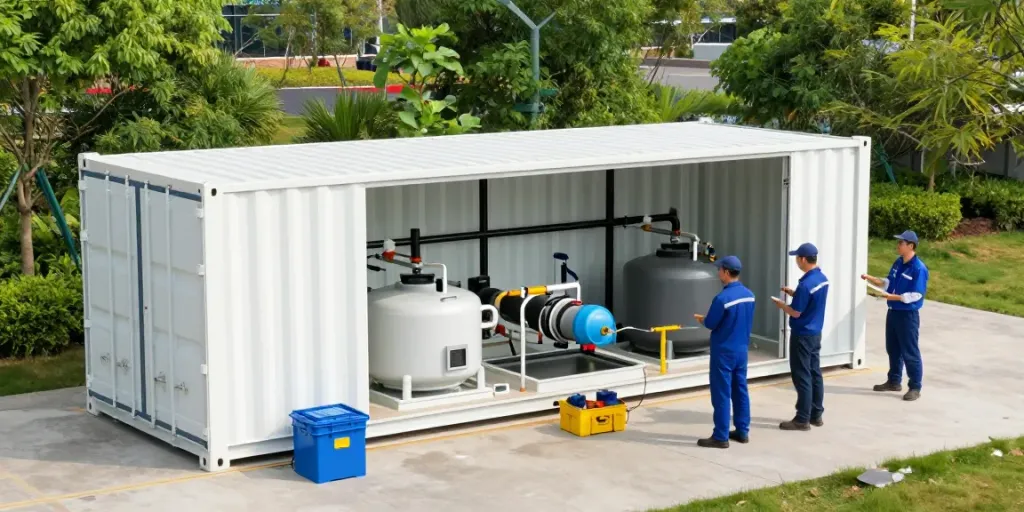
Containerized wastewater treatment refers to the process of treating wastewater in pre-fabricated, modular systems housed within standard shipping containers. These systems are designed to be easily transportable and can be quickly assembled at the installation site. The quick setup is particularly advantageous for temporary projects, such as disaster relief efforts or construction sites, where rapid deployment is essential.
Key Components of Containerized Systems
A typical containerized wastewater treatment system includes a variety of components tailored to the specific treatment needs of the effluent. Key components often include:
- Pre-treatment Units: These units remove larger solids and debris from the wastewater.
- Biological Treatment Units: Often utilizing activated sludge or membrane bioreactors, these units break down organic pollutants.
- Disinfection Units: Methods such as UV irradiation or chlorination ensure that effluent meets safety standards before discharge.
- Control Systems: Automated systems monitor and adjust operations to optimize efficiency and ensure compliance with regulations.
Benefits of Modular Treatment Solutions
The modular nature of containerized systems offers several advantages:
- Flexibility: Systems can be scaled up or down based on demand, allowing for adaptable treatment capacities.
- Cost-Effectiveness: Reduced need for extensive construction lowers capital expenditures and operational costs.
- Rapid Deployment: Assembled in controlled environments, these systems can be delivered and operational within days.
- Transportability: Easily moved between locations, these systems are ideal for temporary installations.
Deployment Strategies for Containerized Wastewater Treatment
Preparing for Installation and Logistics
Successful deployment of a containerized wastewater treatment system requires careful planning and logistics. Factors to consider include site accessibility, utility connections, and environmental conditions. Coordination with local authorities is crucial to ensure that all regulatory requirements are met. Additionally, having the right equipment for offloading and positioning the containers can significantly accelerate the installation process.
Operational Flexibility in Various Environments
Containerized systems can be deployed in diverse environments, from urban areas to remote sites where traditional infrastructure may be lacking. Their ability to function in varying conditions, including harsh climates, makes them highly versatile. Whether installed on a construction site, in a military base, or as part of a municipal infrastructure upgrade, these systems can effectively treat wastewater in real-time.
Real-World Applications and Case Studies
Numerous case studies highlight the effectiveness of containerized wastewater treatment systems. For example, in a remote mining operation, a containerized system was deployed to manage wastewater generated from processing activities. Within weeks, the system effectively reduced pollutants to acceptable levels, demonstrating not only the technological capabilities but also the significant operational savings achieved through rapid deployment.
Compliance and Environmental Standards
Understanding Water Quality Regulations
Compliance with local and international water quality regulations is a critical consideration when deploying containerized wastewater treatment systems. Understanding the specific standards that apply to different effluents ensures that systems are designed to meet or exceed these requirements. Regular monitoring and reporting are indispensable to maintain compliance and avoid potential liabilities.
Impact on Local Ecosystems
Containerized wastewater treatment systems also play an essential role in protecting local ecosystems. By treating wastewater effectively before it is discharged back into the environment, these systems help prevent pollution that can harm wildlife and degrade natural habitats. The implementation of effective pre-treatment and disinfection processes further mitigates these risks.
Ensuring Safety and Compliance During Operations
Operational safety is paramount in wastewater treatment. Containerized systems often incorporate safety features such as automated shut-off valves and emergency response protocols. Regular training for staff operating these systems is crucial to ensure that they are familiar with safety procedures and compliance requirements, thereby minimizing risks associated with wastewater treatment.
Performance Metrics and Monitoring
Essential Metrics for Efficiency Tracking
To optimize the performance of containerized wastewater treatment systems, various metrics are monitored. Key performance indicators (KPIs) include:
- Flow Rate: Measuring the volume of wastewater treated per hour or day helps gauge system performance.
- Removal Efficiency: Tracking the percentage reduction of key pollutants provides insight into treatment efficacy.
- Operational Costs: Analyzing energy, maintenance, and chemical usage costs can inform budgeting and operational decisions.
Data Collection and Analysis Best Practices
Implementing robust data collection and analysis practices enables facility managers to make informed decisions regarding system operations. Utilizing real-time monitoring systems allows for immediate detection of issues and facilitates proactive maintenance, ensuring that the systems continuously perform at optimal levels.
Using Metrics to Optimize Treatment Processes
Using the data collected from performance metrics, operators can identify trends and anomalies in wastewater treatment processes. Adjusting operational parameters—such as aeration time, chemical dosing, or sludge recirculation—based on these insights can enhance efficiency and treatment outcomes.
Future of Containerized Wastewater Treatment Systems
Trends and Innovations to Watch For in 2026
As we look toward 2026 and beyond, several trends are set to influence the future of containerized wastewater treatment systems:
- Increased Automation: Innovations in automation technology will lead to more sophisticated control systems, enabling remote monitoring and management.
- Sustainability Focus: Greater emphasis on sustainability will drive the incorporation of energy-efficient technologies and renewable energy sources in treatment systems.
- Enhanced Treatment Processes: Advancements in treatment technologies, including membrane filtration and advanced oxidation processes, will improve efficiency and efficacy.
Challenges Facing the Industry
Despite the promising outlook for containerized wastewater treatment systems, several challenges remain. The evolving regulatory landscape requires operators to stay informed and adaptable. Additionally, competition among manufacturers necessitates continuous innovation to maintain market relevance and meet client expectations for cost and performance.
Expert Insights on the Evolution of Treatment Technologies
Industry experts predict that containerized wastewater treatment technology will continue to evolve significantly. The ongoing development of more compact and efficient treatment processes, combined with enhanced data analytics capabilities, will position containerized systems as leaders in the wastewater treatment sector. As environmental concerns grow, the demand for these sophisticated yet nimble solutions will likely increase.