Understanding Machined Stainless Steel Parts
In the realm of precision manufacturing, machined stainless steel parts play a critical role across various industries. These components are not only characterized by their superior corrosion resistance and durability but also by their versatility in application. With advancements in CNC machining technology, manufacturers like Honscn have been able to elevate the capabilities of stainless steel parts production to meet the demands of diverse sectors. Understanding the nuances of machined stainless steel parts can lead to better-informed decisions in sourcing and application, enhancing both product quality and operational efficiency.
What Are Machined Stainless Steel Parts?
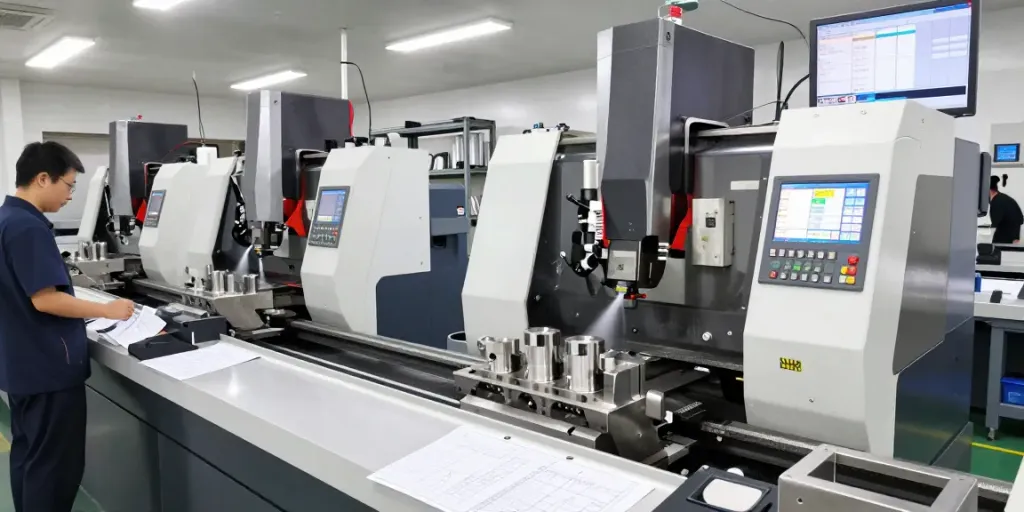
Machined stainless steel parts are end products that have been custom-manufactured through CNC (Computer Numerical Control) machining processes. These parts start as raw metal stock, typically in the form of stainless steel bars, sheets, or blocks. Using advanced machinery, skilled operators shape, cut, and finish the metal to produce intricate components that adhere to precise tolerances and specifications required by clients.
Common Applications Across Industries
- Medical Devices: Surgical tools and implantable devices must meet stringent biocompatibility standards, making stainless steel an ideal choice due to its resistance to corrosion and ability to withstand steam sterilization.
- Food Processing: Equipment in this sector relies on stainless steel for its hygiene standards and durability. Parts such as fittings, valves, and containers benefit from this material’s non-reactive nature.
- Chemical Engineering: Components exposed to harsh chemicals require robust materials; stainless steel can endure corrosive environments while maintaining structural integrity.
Key Benefits of Using Stainless Steel
There are numerous advantages to utilizing stainless steel in manufacturing. These benefits include:
- Corrosion Resistance: Stainless steel’s inherent ability to resist rust and corrosion is crucial in environments where moisture and chemicals are present.
- High Strength-to-Weight Ratio: This material provides a strong yet lightweight solution, allowing manufacturers to create durable parts without adding excessive weight.
- Longevity: The durability of stainless steel components leads to longer lifecycles, reducing replacement costs and downtime.
- Aesthetic Appeal: Machined stainless steel parts can achieve a mirror-like finish, which is often desirable for aesthetic applications in consumer products.
The CNC Machining Process Explained
CNC machining is a sophisticated manufacturing technique that automates the process of machining parts. It employs computer software to control machine tools, ensuring consistent precision and efficiency. When choosing a provider for machined stainless steel parts, it is vital to understand the underlying process that ensures high-quality outcomes.
Overview of CNC Machining Techniques
There are several CNC machining techniques utilized in the production of stainless steel parts, including:
- CNC Milling: Involves rotating cutting tools to remove material from a workpiece, effective for producing complex shapes.
- CNC Turning: A process where a rotating workpiece is shaped as a fixed cutting tool removes material, best suited for cylindrical components.
- EDM (Electrical Discharge Machining): A method for achieving fine details and complex geometries that may be difficult to achieve through traditional machining.
Importance of Precision in Manufacturing
Precision is paramount in CNC machining. The ability to maintain tight tolerances is what sets high-quality machined stainless steel parts apart from those manufactured with less precise techniques. Tighter tolerances ensure that parts fit correctly within assemblies, enhancing the overall performance and reliability of the final product. Moreover, precise machining can lead to reduced waste and lower operational costs.
Quality Control Measures in Production
Quality assurance is an integral aspect of the CNC machining process. Various measures are employed to ensure that every part meets the required specifications:
- Inspection: Parts are routinely inspected using tools such as calipers, micrometers, and coordinate measuring machines (CMM) to verify dimensions.
- Material Certification: Manufacturers often provide certification for the stainless steel used, confirming its grade and properties.
- Testing: Functional testing can be performed on critical components to ensure they meet performance standards, especially in safety-critical applications.
Choosing the Right Stainless Steel Grade
When selecting stainless steel for machining, it is essential to choose the appropriate grade that meets the application requirements. Different grades offer various properties, influencing their suitability for certain environments and applications.
Comparison of 304 vs. 316 Stainless Steel
Among the most commonly used stainless steels are grades 304 and 316, each possessing unique advantages:
- 304 Stainless Steel: Known for its excellent corrosion resistance and formability; ideal for a wide range of applications but may not perform well in highly saline environments.
- 316 Stainless Steel: Offers superior corrosion resistance, especially in marine and chemical environments, making it suitable for medical and food processing applications.
Factors Influencing Material Selection
Several factors guide the choice of stainless steel grade:
- Environment: Consider exposure to moisture, chemicals, and temperature extremes when choosing a grade.
- Mechanical Properties: Assess the tensile strength and ductility required by the application.
- Regulatory Compliance: In industries like healthcare, specific material certifications might be mandated.
Case Studies: Successful Material Applications
Several organizations have successfully implemented stainless steel parts to enhance their product offerings:
- Medical Device Manufacturer: Utilizing 316 stainless steel for surgical instruments resulted in improved sterilization processes and lower infection rates.
- Food Processing Equipment: A company upgraded its machinery using 304 stainless steel, achieving a balance of affordability and corrosion resistance while meeting hygiene standards.
Challenges in Machining Stainless Steel Parts
Despite its myriad benefits, machining stainless steel does present challenges that manufacturers must navigate to ensure successful outcomes.
Common Machining Issues and Solutions
Machinists often face problems such as:
- Work Hardening: Stainless steels can work harden when machined, making further cutting more difficult. To combat this, it is essential to use appropriate cutting speeds and tool materials.
- Tool Wear: The hardness of stainless steel can lead to increased tool wear, necessitating the use of high-quality cutting tools designed for stainless steel machining.
Understanding Cost Factors in Production
Understanding the costs associated with machining stainless steel parts is crucial for budget management. Key factors influencing costs include:
- Material Costs: The choice of stainless steel grade significantly affects raw material expenses.
- Machining Time: Parts with complex geometries or tight tolerances require more machining time, increasing labor costs.
- Tooling Costs: The necessity for specialized tools can elevate initial expenditures.
Maintaining Tolerance and Finish Requirements
Achieving the required tolerance and finish can sometimes be challenging. Strategies to overcome these challenges include:
- Regular Calibration: Ensuring that CNC machines are properly calibrated can help maintain precision.
- Choosing the Right Finish: Consider the end-use application; some may require a polished finish, while others may necessitate a matte appearance.
Future Trends in CNC Machining for 2026
As technology continues to evolve, the manufacturing landscape is shifting dramatically. The CNC machining sector, particularly for stainless steel parts, is on the verge of several noteworthy trends that will shape future practices.
Emerging Technologies in Machining
Innovations such as additive manufacturing and advanced robotics are beginning to become more prevalent in CNC machining, allowing for greater flexibility and efficiency in production processes. These technologies enable the creation of more complex parts that traditional methods may struggle to produce.
Sustainability in Stainless Steel Manufacturing
Environmental considerations are becoming increasingly important. Sustainable manufacturing practices, including recycling stainless steel and optimizing production processes to reduce waste and energy consumption, are gaining traction among industry leaders.
Predictions for Market Demand and Innovations
As industries like healthcare and food processing continue to grow, the demand for high-quality machined stainless steel parts is expected to rise. Innovations in materials and processes will likely emerge, aimed at enhancing performance and reducing costs, making it an exciting time for the CNC machining industry.
FAQs
What materials are commonly used for CNC machined parts?
Common materials include various grades of stainless steel, aluminum, brass, and plastics, each selected based on the specific properties required for the application.
How does CNC machining improve efficiency?
CNC machining improves efficiency by automating processes, reducing human error, and allowing for quick adjustments to production runs based on customer specifications.
What are the typical tolerances for stainless steel machining?
Typical machining tolerances for stainless steel parts range from ±0.002 inches to ±0.005 inches, depending on the complexity and application requirements.
Can stainless steel parts be customized?
Yes, stainless steel parts can be custom-designed to meet specific dimensions and functional requirements through CNC machining processes.
What industries utilize machined stainless steel parts?
Industries such as medical, food processing, chemical engineering, aerospace, and automotive frequently utilize machined stainless steel parts due to their durable and corrosion-resistant characteristics.