Understanding Hydraulic Hose Repair
Hydraulic systems are essential components in various machinery, from construction equipment to manufacturing processes. These systems rely heavily on hydraulic hoses, which not only transport hydraulic fluid but also withstand high pressures. Proper maintenance and timely hydraulic hose repair are crucial to keeping these systems operational and efficient. In this comprehensive guide, we will delve into the intricacies of hydraulic hose repair, from understanding the importance of maintenance to innovative techniques that enhance the longevity of hydraulic hoses.
The Importance of Hydraulic Hose Maintenance
Maintenance of hydraulic hoses plays a critical role in preventing unexpected failures and prolonging the lifespan of the hydraulic system. Regular inspection helps identify wear, leaks, and potential issues before they escalate into significant problems. Neglecting hose maintenance can lead to system downtime, costly repairs, and safety hazards. Implementing a proactive maintenance schedule is an investment that pays off through improved performance and reduced operational costs.
Common Issues in Hydraulic Hose Systems
Hydraulic hoses face a variety of challenges over time. Common issues include:
- Wear and Tear: Constant exposure to pressure and movement can degrade hoses, leading to cracks and ruptures.
- Environmental Damage: Factors like UV exposure, extreme temperatures, and exposure to chemicals can compromise hose integrity.
- Improper Installation: Incorrect fitting or routing can result in kinks or excessive pressure on hoses.
- Fluid Contamination: Contaminants can cause internal damage and wear, affecting overall system performance.
Signs You Need Hydraulic Hose Repair
Being vigilant about the signs that indicate the need for hydraulic hose repair can prevent larger issues. Look for:
- Leaks: Noticeable fluid leaks around connections or along the hose surface.
- Swelling or Bulging: Any noticeable deformities in the hose shape could signify internal issues.
- Unusual Noises: Grinding, hissing, or other unusual sounds may indicate malfunction within the system.
- Poor System Performance: Decreased efficiency or increased operating pressure may hint at hose failure.
Tools and Materials for Hydraulic Hose Repair
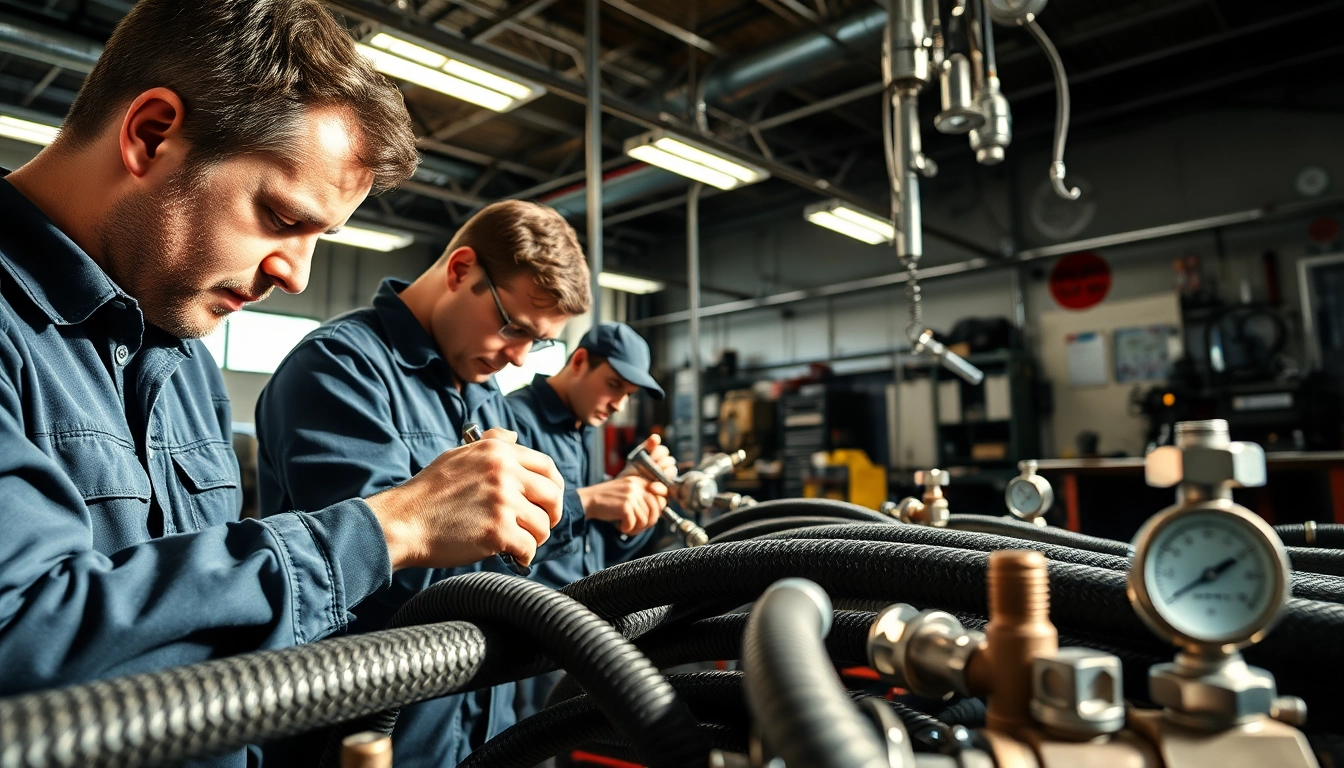
A successful hydraulic hose repair begins with the right tools and materials. Whether you're a professional or a DIY enthusiast, having the essential equipment on hand will streamline the repair process.
Essential Equipment for Professionals
Professionals handling hydraulic hose repairs should possess specific equipment, including:
- Hose Cutters: Cleanly cut hoses to maintain proper fitting.
- Crimping Tools: Ensure secure fittings by crimping hose ends precisely.
- Torque Wrenches: Enable proper installation without over-tightening.
- Pressure Testing Kits: Check for leaks and validate repairs before returning equipment to service.
Choosing the Right Hose and Fittings
Selecting the appropriate hoses and fittings is vital to the success of hydraulic repairs. Consider factors such as:
- Pressure Rating: Ensure hoses can handle the maximum pressure of your system.
- Fluid Compatibility: Choose hoses that can resist the specific types of hydraulic fluids being used.
- Temperature Resistance: Hoses must withstand the temperature ranges prevalent in the operational environment.
Safety Gear for Hydraulic Hose Repair
Safety is paramount when conducting hydraulic hose repairs. Essential protective gear includes:
- Safety Glasses: Protects eyes from potential fluid splashes or flying debris.
- Gloves: Provides grip and protects hands from hydraulic fluids, which can be harmful.
- Steel-Toe Boots: Ensures foot protection from heavy equipment and tools.
Step-by-Step Guide to Hydraulic Hose Repair
Understanding the steps involved in hydraulic hose repair can foster confidence, whether you're a seasoned mechanic or a novice. Here’s a detailed guide:
Preparing for the Repair Process
Before starting any hydraulic hose repair, preparation is key. Begin by isolating the hydraulic system to prevent any accidental operation. Ensure you have all necessary tools and materials ready, and review safety protocols.
Executing Efficient Repairs
To execute the repair effectively, follow these steps:
- Inspect the Hose: Identify the area of damage and assess the severity.
- Remove the Damaged Hose: Use appropriate tools to cut and detach the inadequate section carefully.
- Install New Hose: Measure and cut the new hose to the required length, ensuring proper fittings.
- Crimp the Fittings: Secure the hose by crimping the ends tightly to prevent leaks.
Testing Systems Post-Repair
After completing the repair, it is crucial to test the system. Follow these steps:
- Pressurize the System: Gradually restore pressure while monitoring for leaks.
- Observe Functionality: Check that the equipment operates smoothly without abnormal noises or vibrations.
- Final Inspection: Conduct a thorough inspection to ensure all fittings are secure and functioning properly.
Innovative Techniques in Hydraulic Hose Repair
The hydraulic hose repair industry is continually evolving. Innovations in hose materials and tools enhance not only the efficiency of repairs but also the durability and functionality of hoses.
Advancements in Hose Materials
Modern hydraulic hoses are designed using advanced materials that resist wear and tear, are lightweight, and offer better flexibility, thereby enhancing performance. Products made with synthetic rubber, for example, provide superior temperature and chemical resistance compared to traditional hoses.
Utilizing Technology for Precision Repairs
Employing technology in hydraulic hose repair has enhanced precision. Digital tools and software can help in analyzing system pressures and fluid dynamics, leading to tailored repairs that meet specific operational requirements.
Best Practices for Longevity
Implementing best practices can significantly extend the lifespan of hydraulic hoses. Recommendations include:
- Routine Inspections: Regular checks can identify potential issues before they develop into serious problems.
- Proper Storage: Store hoses in a cool, dry area to prevent environmental damage.
- Good Routing: Avoid sharp bends and kinks when installing hoses to reduce stress on the material.
FAQs about Hydraulic Hose Repair
How often should hydraulic hoses be inspected?
Inspect hydraulic hoses every three to six months, depending on usage frequency and environmental conditions.
Can I repair a hydraulic hose myself?
Yes, if you have the right tools and knowledge. However, understanding the system is crucial for effective repairs.
What are common causes of hydraulic hose damage?
Common causes include abrasions, excessive pressure, chemical exposure, and improper installation.
How much does hydraulic hose repair typically cost?
Costs vary widely based on severity and type of repair; it can range from $50 to several hundred dollars.
What should I do if I notice a hydraulic fluid leak?
Immediately shut down the equipment and isolate the hydraulic system. Inspect for damage and plan for repair.
Contact Information
Call Us: 780.452.2876Email: [email protected]Address: 13111 159 Street Edmonton, AB T5V 1H6