Understanding HVAC System Duct Design
In the realm of heating, ventilation, and air conditioning (HVAC), effective hvac system duct design is paramount for ensuring indoor comfort and air quality. A well-designed duct system can significantly improve energy efficiency and reduce utility costs, while poorly designed ducts can lead to unnecessary energy loss and discomfort. This comprehensive guide aims to elucidate the principles, challenges, and best practices in HVAC duct design.
What is HVAC System Duct Design?
HVAC system duct design involves the planning and implementation of a network of ducts that transport conditioned air from HVAC equipment to different areas within a building. This system is responsible for distributing warm or cool air to ensure consistent temperature control, thereby enhancing occupant comfort. Proper duct design also contributes to the efficiency of the HVAC system, optimizing airflow while minimizing energy consumption.
Importance of Proper Duct Design
Proper duct design is crucial for several reasons:
- Energy Efficiency: Well-designed ducts reduce the amount of energy required to heat or cool a space, leading to lower energy bills.
- Indoor Air Quality: Efficient duct systems minimize the risks of dust, mold, and other pollutants, ensuring a healthier environment.
- Comfort: Balanced airflow maintains consistent temperatures throughout a building, reducing hot or cold spots.
- System Longevity: Properly designed ducts can decrease wear and tear on HVAC equipment by preventing overexertion.
Key Terminology in Duct Design
Familiarity with specific terms will assist in understanding HVAC system duct design:
- CFM (Cubic Feet per Minute): A measure of airflow that indicates how much air is being delivered to a space.
- Static Pressure: The resistance to airflow within ducts; understanding this helps in creating efficient designs.
- Return Ducts: Ducts that direct air back to the HVAC unit to maintain circulation and pressure balance.
- Supply Air Ducts: Ducts that deliver conditioned air from the HVAC system to various rooms.
Essential Principles of HVAC System Duct Design
Airflow Dynamics and Duct Size
The relationship between airflow, duct size, and pressure is fundamental in duct design. Diameter and cross-sectional area must be appropriately calculated to ensure optimal CFM rates without causing excessive noise or discomfort:
- Equation Application: Using the equation for airflow Q = A x V, where Q is airflow, A is duct area, and V is air velocity, helps gauge the correct size.
- Size Adjustments: Ducts may need to be resized based on the number of systems they serve, the layout of the building, and intended airflow dynamics.
Material Selection for Ducts
Choosing the right materials for duct construction is critical in terms of durability, cost, and thermal efficiency:
- Galvanized Steel: Durable and commonly used, it resists corrosion and provides effective thermal insulation.
- Aluminum: Light and resistant to rust, aluminum is suitable for locations where weight is a concern.
- Fiberglass: An excellent insulator, fiberglass ducts can minimize condensation but require careful handling due to fragile nature.
Temperature Control and Insulation
Temperature regulation and insulation are key components of duct efficiency. Proper insulation minimizes energy loss, ensuring that the air maintains its desired temperature throughout its journey inside the ducts:
- Insulation Types: Common insulation materials include foam, fiberglass, and reflective barriers, each with specific thermal resistance values.
- Strategic Placement: Insulating ducts located in unconditioned spaces—such as attics or crawl spaces—prevents heat loss, maintaining system efficacy.
Common Challenges in HVAC System Duct Design
Identifying Air Leaks
Air leaks in a duct system can greatly reduce efficiency. Detecting and sealing these leaks is essential to maintaining system performance:
- Leak Detection Techniques: Techniques such as infrared thermography and duct blaster tests help analyze and locate leaks accurately.
- Sealing Options: Solutions include using mastic sealants, foil tape, or specialized sealants that expand and contract to fill gaps.
Overcoming Space Constraints
Ducting dense spaces and retrofitting existing structures often pose challenges:
- Creative Routing: Ducts may be routed through walls, ceilings, or floors to maintain aesthetics while ensuring functionality.
- Flexible Duct Options: Utilizing flexible ducts allows for easy installation in tight spaces without losing airflow quality.
Balancing Air Pressure
Maintaining air pressure balance across all ducts is crucial. Unbalanced systems can lead to inefficient heating and cooling:
- Pressure Tests: Regular static pressure measurements help determine if the duct layout supports the desired airflow seamlessly.
- Adjustables & Dampers: Utilizing adjustable dampers within ducts helps regulate airflow and maintain balance across zones in a system.
Best Practices for Duct Installation
Step-by-Step Installation Guide
Following a systematic approach during duct installation ensures efficacy:
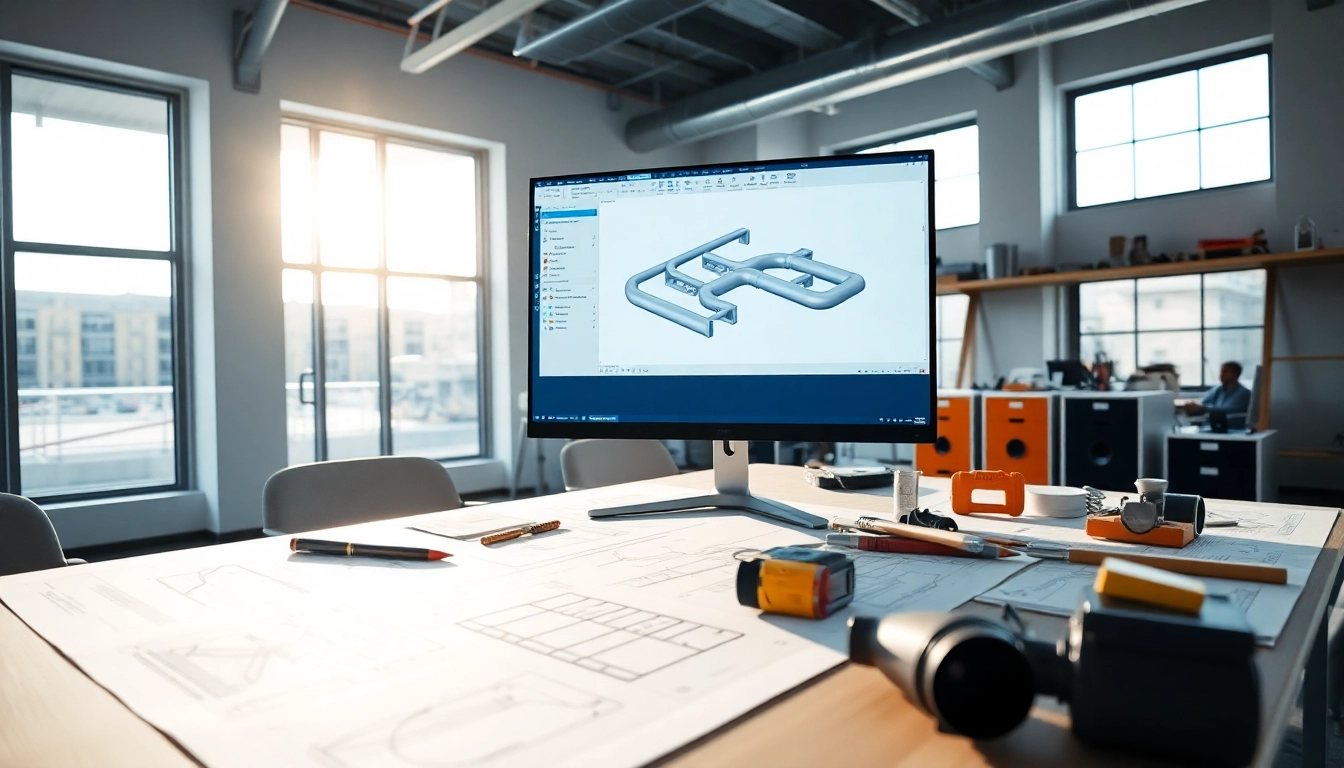
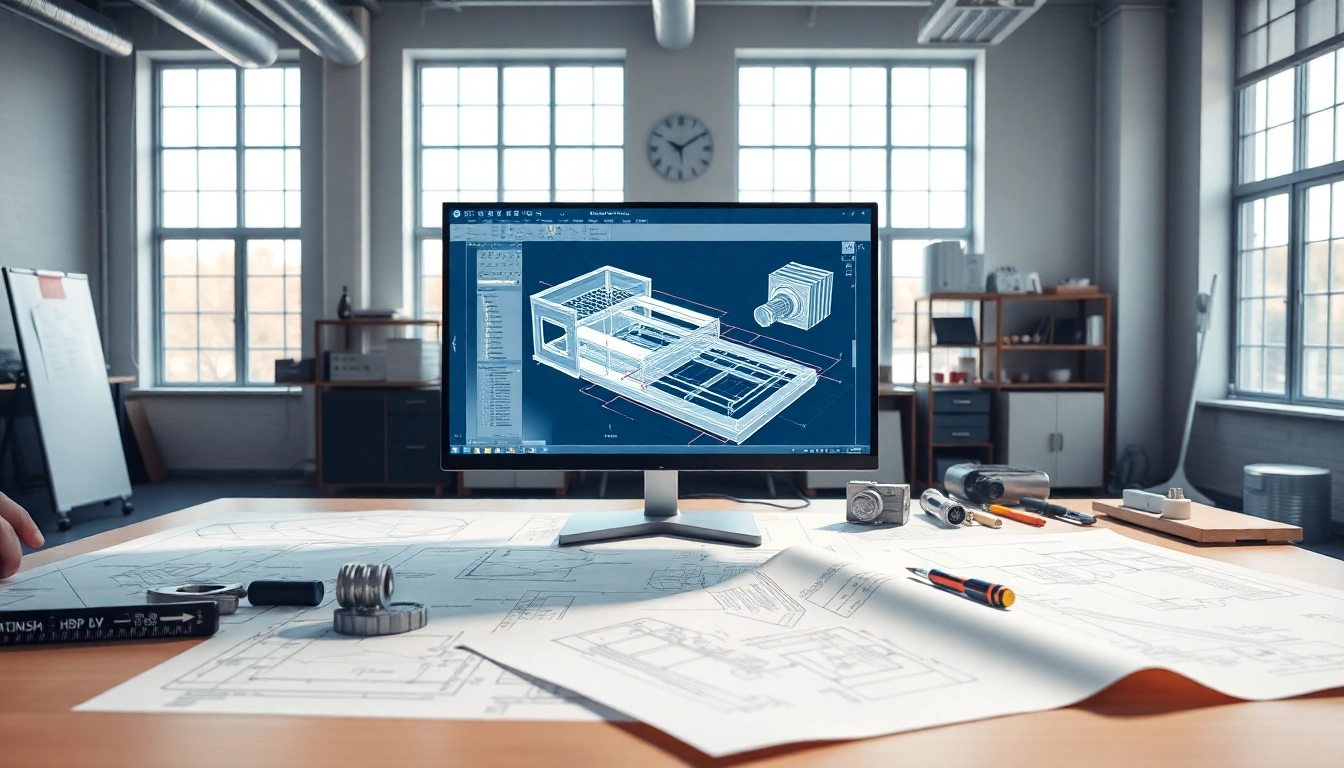
- Planning: Create a duct layout diagram that accounts for all supply and return locations.
- Duct Sizing: Calculate duct sizes using CFM requirements and static pressure considerations.
- Material Prep: Ensure materials are cut accurately and fit snugly to prevent leaks.
- Sealing & Insulation: Seal connections with mastic and properly insulate ducts in unconditioned areas.
- Final Testing: Conduct a performance test to verify airflow rates and troubleshoot any discrepancies.
Tools Required for Installation
An array of tools is essential for effective duct installation:
- Duct Cutter: For precise and clean cuts.
- Drill and Fasteners: Required to secure ducts in place.
- Sealant and Tape: Used to ensure joints are airtight.
- Pressure Gauges: Essential for testing static pressures post-installation.
Testing and Performance Evaluation
After installation, testing the duct system's performance is critical to confirm it meets design specifications:
- Airflow Measurement: Measuring CFM at various points helps determine efficiency.
- Balancing: Adjust dampers accordingly to achieve balanced airflow.
- Feedback from Users: Gather input from building occupants regarding comfort levels and air quality.
Future Trends in HVAC System Duct Design
Smart Technology Integration
As technology evolves, so does HVAC duct design. Smart systems allow for real-time monitoring and regulation of airflow:
- Sensor Systems: Utilize sensors to monitor air pressure and adjust systems dynamically for optimal performance.
- Automated Dampers: Controlled via a central HVAC system, these adjust airflow based on real-time temperature data.
Eco-Friendly Materials and Methods
With increasing emphasis on sustainability, selecting eco-friendly materials for duct construction is gaining traction:
- Recyclable Materials: Many companies are now offering ducts made from sustainable materials that reduce environmental impact.
- Energy-Efficient Practices: Techniques such as minimizing duct lengths and optimizing designs contribute to reduced energy usage.
Maintenance and Longevity Tips
Regular maintenance is essential to ensure the longevity and efficiency of duct systems:
- Regular Inspections: Scheduled checks help identify potential issues early on.
- Cleaning: Both ductwork and HVAC components should be cleaned to maintain airflow and system efficiency.
FAQs:
What factors influence duct size in HVAC system duct design?
Airflow requirements, space availability, and HVAC unit specifications significantly influence duct size selection. Proper calculations ensure efficient air distribution.
How often should duct systems be inspected?
Duct systems should be inspected at least once a year to identify leaks, clogs, and efficiency issues, promoting a healthy HVAC performance and indoor air quality.
Can I design my own duct system?
Yes, with proper knowledge and tools, homeowners can design their own duct systems while ensuring they follow local codes and best practices for efficient airflow.
What materials are best for duct construction?
Common materials include galvanized steel, aluminum, and fiberglass. Each has unique benefits related to durability, weight, and thermal efficiency.
How does duct insulation impact HVAC efficiency?
Proper insulation minimizes heat loss or gain through ducts, improving HVAC efficiency and comfort levels within the space by maintaining optimal temperatures.