Understanding Derailment Repairs
Definition and Importance of Derailment Repairs
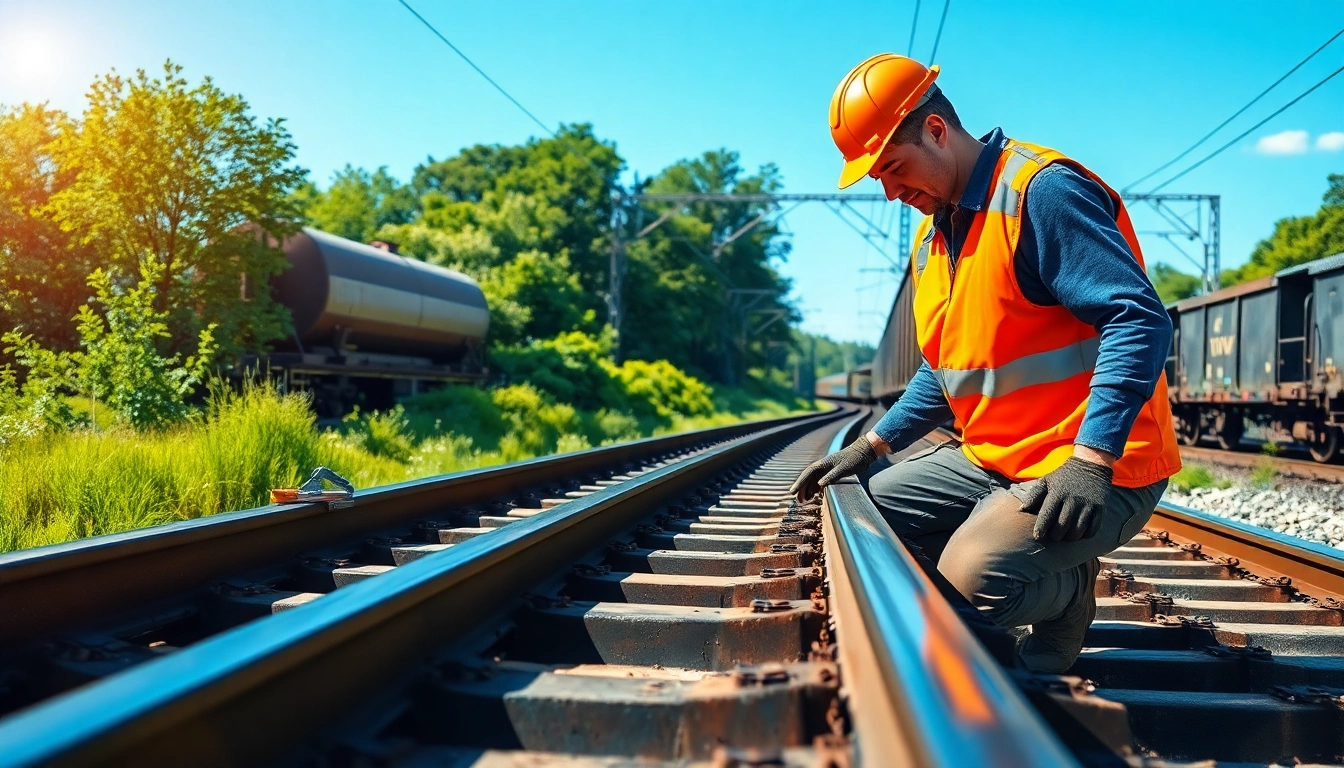
Derailment repairs are critical processes in railway maintenance that address the consequences of train derailments – incidents where a train leaves its intended track. These events can result from a multitude of factors, ranging from track instability to mechanical failures. The importance of derailment repairs lies not only in restoring operational efficiency but also in ensuring safety for passengers and cargo. Effective derailment repairs help minimize downtime, reduce repair costs, and enhance the overall reliability of rail services. Comprehensive understanding and execution of these repairs are paramount in maintaining the integrity of railway infrastructure.
Common Causes of Train Derailments
Train derailments can occur due to various factors that typically fall into several categories. The most common causes include:
- Track Integrity Issues: Poorly maintained tracks, including misalignments or breaks, can lead to derailments.
- Mechanical Failures: Issues with the train's wheels, axles, or braking systems can also cause a train to derail.
- Environmental Factors: Weather conditions such as heavy rains, snow, or flooding can damage tracks or signal overspeed.
- Obstructions: Accidental obstructions on the tracks, like fallen trees or debris, may lead to sudden derailments.
Impact of Derailments on Rail Operations
Derailments can have extensive impacts on rail operations, affecting not only the immediate service but also long-term operational stability. Some of the impacts include:
- Service Interruptions: Gaps in service can lead to lost revenue and strained passenger confidence.
- Increased Costs: Repairs can be financially burdensome, impacting budget allocations for future maintenance and improvements.
- Safety Risks: The immediate aftermath of a derailment can put maintenance crews and emergency responders at risk, necessitating stringent safety measures.
- Reputation Damage: Frequent derailments can tarnish the reputation of rail operators, leading to lost customers and partnerships.
The Process of Derailment Repairs
Initial Assessment and Identifying Damage
The first step in derailment repairs involves an initial assessment to identify the extent of damage. This process usually includes:
- Site inspection to evaluate conditions and document visible damages.
- Gathering data from onboard systems and any onboard personnel regarding the derailment's circumstances.
- Utilizing imaging technologies, such as drones or high-resolution cameras, for detailed assessments of inaccessible areas.
Tools and Equipment Used for Repairs
Various tools and equipment are essential for effective derailment repairs. Key tools include:
- Track Lifting Equipment: Necessary for realigning tracks.
- Rail Saw and Welding Equipment: Used for cutting and welding new rail pieces to replace damaged sections.
- Heavy-Duty Cranes: Employed to lift derailed cars back onto the tracks.
- Inspection Tools: Devices like gauge blocks for ensuring proper track alignment.
Step-by-Step Repair Procedures
Executing derailment repairs is a complex task involving detailed, step-by-step procedures:
- Secure the Area: Ensure that the site is safe for repair teams and alert local authorities as needed.
- Conduct Damage Assessment: Evaluate both visible damage and underlying issues in the rail infrastructure.
- Realign and Repair Tracks: Use lifting, welding, and rail replacement technologies to restore the integrity of the tracks.
- Test and Inspect: Conduct rigorous testing to verify that the repairs have restored safety and functionality before reopening the rail line.
Best Practices for Preventive Measures
Regular Maintenance Schedules
Implementing regular maintenance schedules is vital for preventing future derailments. Scheduled inspections and maintenance can include:
- Visual Inspections: Frequent visual checks to identify signs of wear and tear.
- Detailed Evaluations: Using technology, such as ultrasonic testing, to detect hidden structural issues.
Monitoring Track Conditions and Integrity
Continuous monitoring of track conditions can greatly reduce derailment risks. Technological advancements allow real-time monitoring that includes:
- Track Sensors: Devices that analyze stress, temperature, and track alignments.
- Drone Surveys: Utilized to inspect remote or difficult-to-access areas effectively.
Safety Protocols to Implement during Repairs
Safety during derailment repairs cannot be overstated. Adhering to strict protocols is essential to safeguard personnel and passersby. Some recommended protocols include:
- Personal Protective Equipment (PPE): Mandating proper protective gear for all personnel on-site.
- Clear Communication: Establishing a command structure and communication protocols to avoid confusion during the process.
- Emergency Procedures: Developing and rehearsing emergency response plans for various scenarios.
Case Studies of Successful Derailment Repairs
Analysis of Effective Repairs in Various Scenarios
Examining past derailment repair cases offers valuable insights into effective strategies. Successful cases demonstrate the importance of thorough assessments, rapid response, and innovative repair techniques. For instance, a specific case involved a significant derailment caused by track subsidence, where quick sector removal and track realignment reduced service downtime significantly.
Lessons Learned from Past Derailments
Reviewing past derailments reveals common pitfalls and best practices. Key lessons include:
- Prioritizing preventive measures over reactive responses ensures long-term efficiency.
- Investing in smarter technology enhances monitoring capabilities and identifies risks sooner.
Recommendations for Future Repairs
Going forward, several recommended strategies can enhance derailment repairs:
- Integrate Advanced Technologies: Employing AI and machine learning for predictive maintenance can minimize the occurrence of rail defects.
- Strengthen Training Programs: Ongoing education for repair teams to adopt new techniques and adhere to best practices.
Frequently Asked Questions about Derailment Repairs
What are typical signals of an impending derailment?
Signs can include vibrations, abnormal noises, equipment malfunctions, or visual indicators like track misalignment.
How often should tracks undergo maintenance checks?
Regular checks are recommended at least weekly, with more comprehensive inspections every month, depending on usage and environmental factors.
What tools are essential for derailment repairs?
Essential tools include track lifting equipment, rail saws, welding machines, and heavy-duty cranes, all vital for restoring rail infrastructure.
How long do derailment repairs usually take?
Repair duration can vary widely, from a few hours for minor incidents to several days for extensive damage, depending on the extent of repairs needed.
What safety measures are crucial during derailment repairs?
Crucial measures include using personal protective equipment (PPE), following clear communication protocols, and having emergency response plans established.
Contact Information
Call Us:(855) 920-8722Email: [email protected]Address: 350 Fossil Creek Boulevard, Suite 106, Fort Worth, TX, United States, Texas