What is a Telehandler?
Definition and Purpose
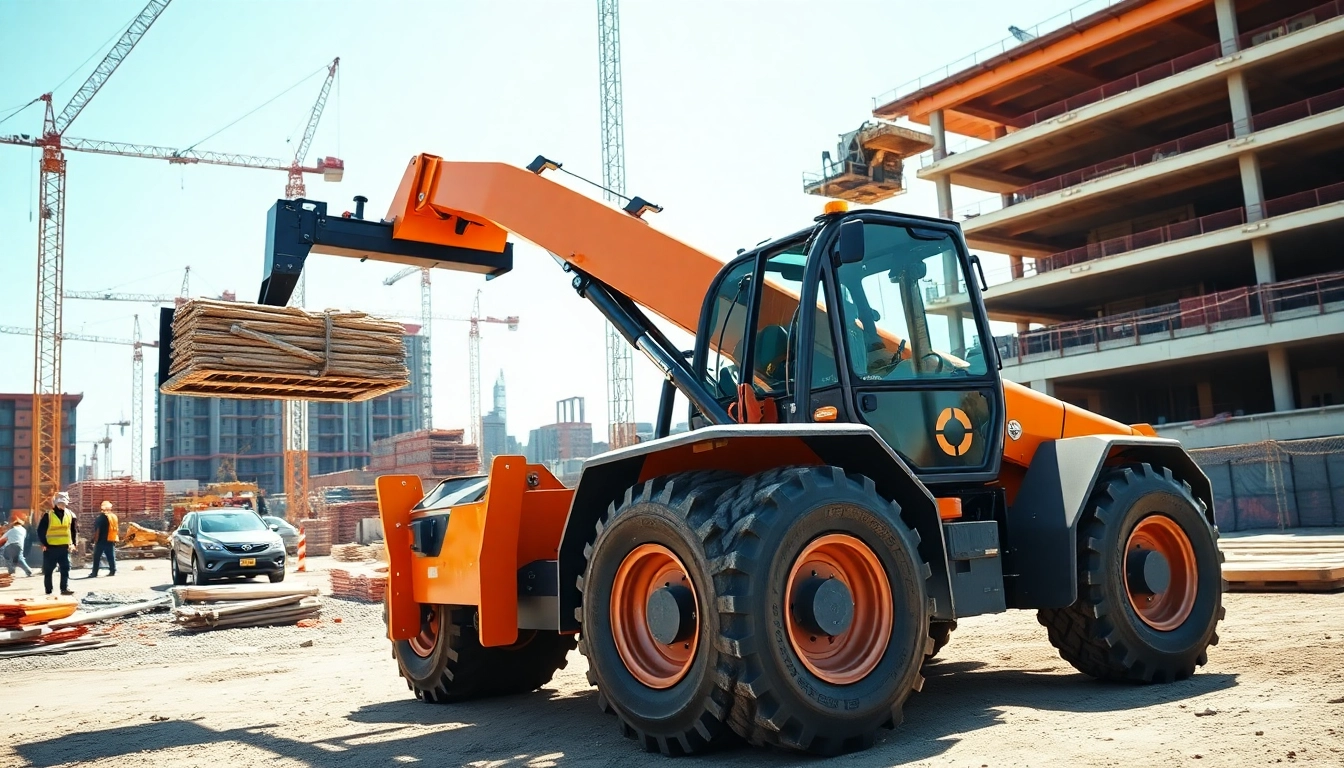
A telehandler, short for telescopic handler, is a versatile piece of machinery often used in construction, agriculture, and industrial settings to lift, carry, and place heavy materials. Its unique design features a telescopic boom that extends well beyond the normal range of a standard forklift, providing enhanced reach and lifting capabilities tailored to varied job site requirements. Whether you're lifting pallets of bricks or moving construction materials, a telehandler offers the flexibility and efficiency needed for a wide array of tasks.
Typical Applications
Telehandlers are widely recognized for their adaptability across different industries. In construction, they are invaluable for elevating scaffolding or supplying materials up to multi-story structures. In agriculture, they are regularly employed for transporting feed, hay bales, and equipment across rough terrain. Additionally, telehandlers are equipped with various attachments, allowing them to serve multiple functions—from lifting and stacking to digging and leveling, making them an essential tool in many sectors.
Key Features Overview
The primary feature of a telehandler is its telescoping boom, which can extend to variable heights and distances, thus enhancing the machine's versatility. Other key features include:
- Lifting Capacity: Most telehandlers can handle loads ranging from 4,000 to over 12,000 pounds.
- Attachment Options: They can use forks, buckets, and grapples, among others, to perform specific tasks.
- Four-Wheel Drive: This feature offers stability and grip even on uneven or rugged terrain.
- High Visibility Cabins: Many models are designed with large windows for improved operator visibility.
Types of Telehandler
Variations in Design
Telehandlers come in several designs, each tailored for specific applications. Common types include:
- Standard Telehandlers: General-purpose models that are widely used in construction and materials handling.
- Rotating Telehandlers: These machines can rotate their booms, allowing for better maneuverability in tight spaces.
- Compact Telehandlers: Smaller models designed for projects where space is limited, offering similar functionalities in a narrower frame.
- Heavy-Duty Telehandlers: Built for extreme conditions, these models can handle larger payloads and increased lift heights.
Specific Models and Their Uses
Different telehandler models are designed for precise industry needs. For instance, a heavy-duty telehandler may be used in oil and gas operations, where large equipment needs to be lifted and positioned accurately. Compact telehandlers are favored in landscaping for loading and unloading materials in confined areas, while rotating telehandlers provide excellent side reach, making them ideal for loading trucks or working on multi-level buildings.
Choosing the Right Telehandler
When selecting a telehandler for a specific task, several factors must be considered:
- Load Capacity: Ensure the chosen model can handle the weight of the materials being lifted.
- Height Requirements: Evaluate how high the materials must be placed and select accordingly.
- Terrain: Consider the ground conditions where the telehandler will be used and choose one with appropriate traction and stability features.
- Attachments: Check the availability of compatible attachments that may be required for your specific job tasks.
Benefits of Using a Telehandler
Enhanced Reach and Versatility
The primary advantage of using a telehandler is its superior reach. The telescopic boom allows operators to lift materials higher and farther than other lifting equipment, helping complete tasks that may be impossible with traditional forklifts. This capability also diminishes the need for additional equipment since a single telehandler can perform multiple functions by simply changing attachments.
Improved Efficiency on Job Sites
Telehandlers boost job site productivity significantly. Their ability to quickly reposition and lift materials increases workflow efficiency. With a telehandler, projects can move forward faster, whether transporting heavy loads or reaching high areas, ultimately saving time and costs in labor and operation.
Adaptability with Attachments
Telehandlers stand out due to their compatibility with various attachments, expanding their functionality beyond mere lifting. Attachments such as hooks, bail grabs, and grain buckets make telehandlers suitable for an array of tasks—from lifting and transporting materials to site clearing and earthmoving. This versatility adds tremendous value to the telehandler as a primary resource on a job site.
Maintenance Tips for Telehandlers
Routine Checks and Best Practices
Regular maintenance is crucial for ensuring the longevity and reliability of a telehandler. Operators should perform pre-operation inspections, which include:
- Checking fluid levels (oil, hydraulic fluid, coolant)
- Inspecting tires for wear and proper inflation
- Examining the boom for signs of wear or damage
- Testing brake functionality and other safety systems
Common Issues and Solutions
Like any heavy machinery, telehandlers can experience issues. Some common problems include hydraulic leaks, engine performance issues, and electrical faults. Proper training ensures that operators can identify signs of wear and properly address them, preventing minor issues from escalating into costly repairs. Regular maintenance schedules help prevent many of these common malfunctions.
Maintenance Schedule Recommendations
A maintenance schedule tailored to the specific operational demands of the telehandler is essential. Generally, it's advisable to service telehandlers every 250 to 500 operating hours, depending on the intensity of use. Seasonal checks before high-demand periods—like construction seasons—can also manage wear and ensure that the equipment is ready for demanding tasks.
Telehandler Safety Guidelines
Importance of Training and Certification
Proper training and certification are imperative for anyone operating a telehandler. Since these machines are capable of lifting significant loads and reaching great heights, operators must be well-acquainted with the equipment's functionality, potential hazards, and safe operational practices. Regular training ensures that operators stay updated on safety protocols and equipment handling.
Safety Equipment and Procedures
Safety gear is essential when operating a telehandler. Operators should wear hard hats, gloves, safety glasses, and high-visibility clothing. Additionally, establishing clear communication protocols among team members helps mitigate risks associated with operating the telehandler in collaborative job settings. Using spotters, employing barriers, and maintaining clear pathways can further enhance safety.
Emergency Protocols and Best Practices
All operators should be familiar with emergency protocols, such as responding to overturns or hydraulic failures. Maintaining a well-stocked first aid kit and ensuring accessibility to emergency contacts can significantly improve response times in case of incidents. Furthermore, reviewing evacuation plans and emergency procedures regularly helps ensure everyone is prepared for unexpected situations.
Frequently Asked Questions (FAQs)
1. What is the primary function of a telehandler?
A telehandler is designed to lift and move heavy materials, typically on construction and agricultural sites.
2. How does a telehandler differ from a forklift?
While both can lift, a telehandler has a telescopic boom for extended reach, providing more versatility.
3. What are common attachments for a telehandler?
Common attachments include forks, buckets, and platforms, enhancing its functionality across various tasks.
4. Do telehandlers require special training to operate?
Yes, operators must have proper training and certification to ensure safe and effective use of telehandlers.
5. How often should telehandlers be maintained?
Regular maintenance schedules vary, but routine checks are recommended to be done annually or according to usage.
Contact Information
Call Us: 4062607988Address: 3906 MT-40, Columbia Falls, MT 59912